

By James Finck, Ph.D. | For Southwest Ledger
I was asked when I was going to write about the Chinese balloon shot down off the coast of South Carolina. I replied that I did not know of any other balloons related incidences but did know of a spy plane posing as a weather plane that was shot down. The problem was it was not a Chinese plane over America, but rather an American plane flying over the U.S.S.R. While I do not believe we should allow large intelligence gathering crafts to float across the nation, historically speaking, spying like this is far from new.
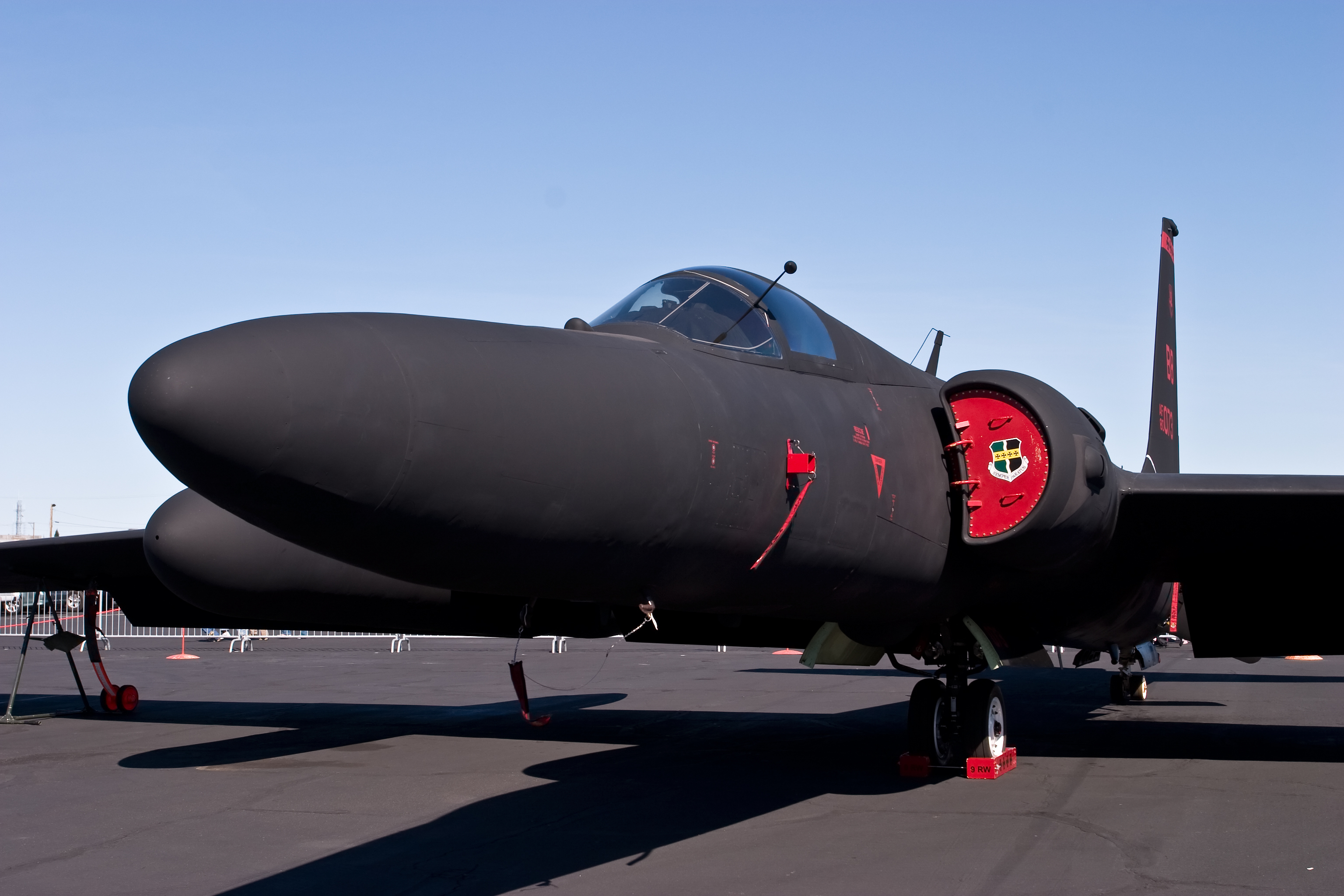
On May 1, 1960, with only a few months to go in Eisenhower’s Administration, a secret American spy plane known as a U-2 went missing over the Soviet Union as it flew its mission from Pakistan to Norway. The pilot was an ex-Air Force officer turned CIA pilot named Francis Gary Powers. By the 1950s, the Soviet Union joined the United States as a nuclear power. As the Cold War heightened, both sides did what they could to gather information on the others strength. America’s solution to information gathering was the U-2 spy plane. Like with Chinese balloons, flying across Soviet airspace could cause a major international issue for President Eisenhower. However, this plane could fly at 70,000 feet which was believed high enough to avoid U.S.S.R. radar detection. Even if it was detected the U-2 could fly higher and faster than any Soviet plane. With this advantage the U-2 was put into action by the CIA in 1956. Later it was learned that the Soviets had detected the planes over the years but never let on because they could not prove it was American and did not want to admit they were helpless against them.
Everything changed in 1960, just days before Eisenhower met with Nikita Khrushchev for a summit in Paris to discuss relaxing of Cold War tensions. Powers’ plane set out that morning and was scheduled to fly further into the U.S.S.R. than ever before. Just as before he was picked up on radar and planes were scrambled to intercept him but with no luck. However, at the same time, surface-to-air missiles were also launched; one actually hit a Russian jet, but another hit the U-2. Powers was able to eject but was not able to activate the planes self-destruct mechanism nor use the suicide pill he carried. When Powers reached the ground he was captured by the KGB while the plane was in pieces but recoverable.
Knowing the spy plane was shot down, but not knowing the condition of the plane or the pilot, Eisenhower ordered NASA to release a statement that one of their planes conducting weather research had crossed into Soviet airspace when a pilot suffered from lack of oxygen. Weather devises being the go-to for all UFOs whether planes or Chinese balloons. Ike tried denying the surveillance program, which became all the more difficult when Khrushchev announced the capture of Powers and the mostly intact wreckage. At the May 16 Paris Summit, Khrushchev angrily presented Ike with evidence of spying, but Eisenhower still refused to apologize for the surveillance program. Eisenhower did promise to suspend the U-2 program but that was not enough for Khrushchev who ended the meeting and canceled Ike’s upcoming trip to Russia. American hopes of working out a peace between the two leaders had died.
As for Powers, he was interrogated then sentenced to 10 years in prison for espionage. However, two years later he was exchanged for a Soviet spy on the Glienicke Bridge in Berlin — a story made famous in the 2015 Tom Hanks film Bridge of Spies. Powers had difficulty returning home because many felt he had not handled the situation correctly, especially not blowing up the plane and taking his life. He was accused of treason and while he was officially exonerated, many still had suspicions.
While Eisenhower and Khrushchev had a relatively peaceful coexistence, this episode did sour relations and made things much more difficult for the man who would win the presidency only a few months later: John F. Kennedy.
Kennedy’s first meeting with the Soviet premier did not go well. Khrushchev felt he now had the upper hand and could push around the much younger and less experienced president until Kennedy stopped him from bringing missiles to Cuba during the Bay of Pigs.
How did Kennedy know about the missile sites? U-2 spy planes.
James Finck, Ph.D. is a professor of history at the University of Science and Arts of Oklahoma.