

OKLAOMA CITY – It’s been done before.
Every year for the past twenty years, a member of the Oklahoma Legislature has filed a proposal to eliminate the sales tax on groceries.
It happens with regularity.
And, with regularity, the bill dies before it reaches the governor’s desk.
Until this year.
This year it just might stick.
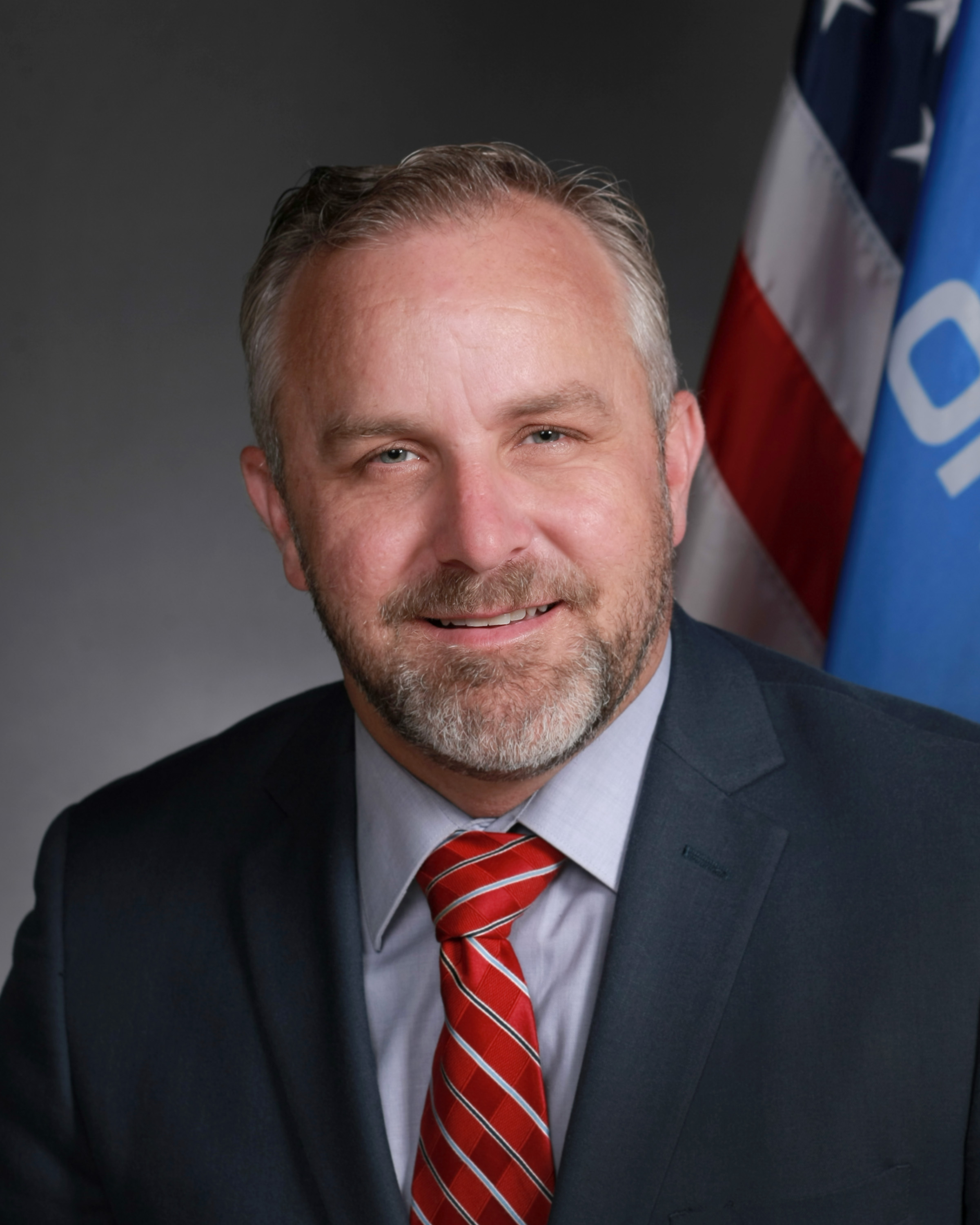
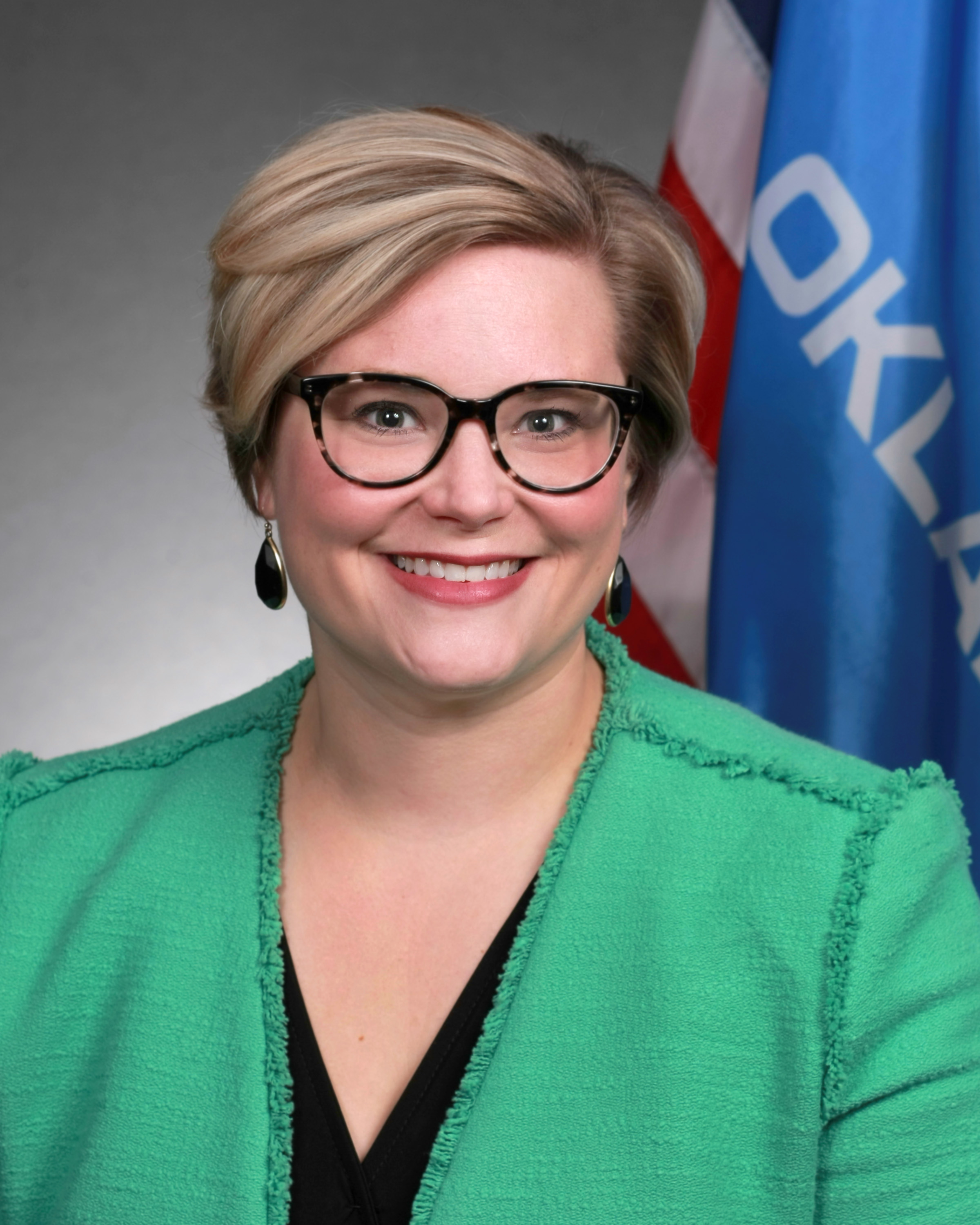
Just two weeks into the second session of the 58th Oklahoma Legislature, a bill to eliminate the sales tax on groceries is gaining steam. A proposal authored by Senate Pro Tempore Greg Treat and a similar bill authored by House Minority Leader Emily Virgin, are both working their way through their respective bodies.
Treat’s proposal, Senate Bill 1495, would eliminate a sales tax on groceries and, at the same time, not prohibit cities and counties from setting their own grocery sales tax.
“Inflation is near a 40-year high and is draining the budgets of all Oklahoma families. The state sales tax on groceries is a regressive tax that harms working families the most,” Treat, R-Oklahoma City, said. “I look forward to partnering with the governor to pursue the elimination of the state's grocery sales tax so that we can give Oklahoma families meaningful tax relief.”
Virgin’s bill would phase out the state tax on groceries over a three-year period. That proposal, House Bill 3621, would reduce the state part of the grocery sales tax to 3 percent, beginning July 1, 2022. The sales tax would drop to 1.5 percent on July 1, 2023, would be completely eliminated by July 1, 2024. “We know that now more than ever people need that relief,” Virgin, a Norman Democrat, said. She said the bill would only cut the sales tax and, like Treat’s measure, would not affect the local sales tax on groceries.
Governor Kevin Stitt is on board, too. During his state of the state address, Stitt made the elimination of the sales tax on groceries a cornerstone of his legislative agenda.
“We can, and we should, do more for Oklahoma families,” the governor said. “That’s why I’m proposing to eliminate the grocery tax. Oklahoma is one of just 13 states that taxes groceries, and ours is one of the highest.”
The reason for this is sorta complicated: In Oklahoma a person buying a sack full of groceries at the local supermarket pays about 4.5 percent in state sales tax and another amount – which varies in percentage depending on which community you are in – in local sales tax.
Both bills working their way through the legislation only address the state’s portion. That portion, record show, generates close to $300 million in revenue the state.
Depending on what city or town you live in, the local retail sales tax – which includes groceries – provides a major source of revenue for local needs such as police, fire and roads. It’s because of the arcane nature of the state’s tax system that eliminating the sales tax on groceries isn’t as simple as it sounds.
Mike Fina, the executive director of the Oklahoma Municipal League, said a complete elimination of the sale tax on groceries would cause serious problems for the state’s cities and towns because so much of a town’s local revenue comes from a tax on retail businesses.
“The retail sales tax is vital for communities,” Fina said. “That’s why we have opposed it for many years.”
This year, however, Fina may be outflanked. With both the legislature and the governor both supportive of legislation that eliminates the state portion of the grocery sales tax, Fina said he would not be surprised to see the tax eliminated.
“Today there is a lot of support. People generally like the idea,” he said. “And as we start drilling deeper into the issue, that support may wane a bit, but I don’t know if it’s enough for it not to pass.”
Still, Fina said those who support eliminating the state’s portion of the tax are aware that getting rid of the tax completely could be problematic.
“I’ll tell you, the day after the state of the state address, I got a text message from a contact in the governor’s office assuring us that the governor did not support getting rid of the municipal portion of the tax. So, even he understands that could be a problem.”
Fina said his organization has worked with lawmakers to make sure the language in any grocery sales tax exemption proposal would not harm the state’s cities and towns.
The Oklahoma Policy Institute, a progressive think tank in Tulsa, said the state could effectively eliminate the state and local sales tax on groceries for most low-income families instead by strengthening the existing Sales Tax Relief Credit.
“At a time when many Oklahomans are struggling to put food on the table and are at risk of eviction, a more robust Sales Tax Relief Credit can help put money back into the pockets of those who need it most,” analyst Emma Morris wrote last week in a posting on the organization’s website. “Doing so would bolster family finances, make purchasing food more cost-effective, and stimulate our local economies.”
Morris said the state could increase the state’s $40 Sales Tax Relief Credit to a $180 amount for qualifying families and phase the credit out based on income.
“While this approach would provide targeted grocery tax relief to the Oklahomans who need it most, it also has the added benefit of protecting the state’s ability to maintain the services on which all Oklahomans rely,” Morris wrote. “If Oklahoma were to entirely eliminate the sales tax on groceries, it would result in between $235 million and $306 million of lost state revenue annually, according to analysis by the Institute on Taxation and Economic Policy and the Oklahoma Tax Commission respectively.”
Because the Sales Tax Relief Credit is targeted tax relief for low-income residents, Morris said strengthening the credit would cost the state less and provide more targeted relief.
With the legislative session only two weeks old though, Fina and others say they won’t be surprised to see proposal that eliminates the grocery sales tax make it to the governor’s desk.
“There is a lot of momentum right now,” he said. “And we are trying to educate everyone on all the issues involved.”