

From staff reports OKLAHOMA CITY – Most electricity consumers in the state have been shocked at the rise in energy rates over the last several years.
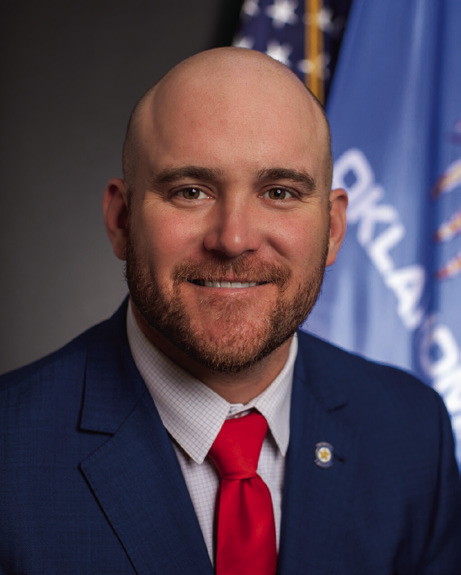
Representative Trey Caldwell (R-Lawton) believes part of the solution lies in competitive bidding for new transmission projects, which is why he authored House Bill 4097, also known as the STAR Act – the Oklahoma State Transmission and Accountability and Reliability Act.
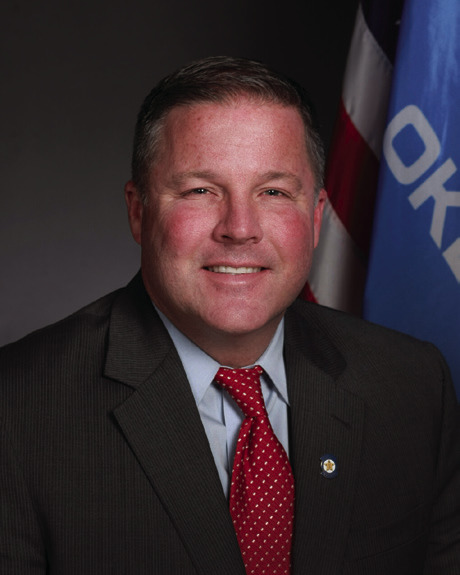
The bill, co-authored by Senator Lonnie Paxton (R-Tuttle), would give Oklahoma the right to decide how critical transmission infrastructure located within the state would be owned and maintained.
“I sat through hundreds of hours of meetings to help Oklahomans who are living on a fixed income or struggling to make ends meet,” Caldwell said.
“We all know how unpredictable utility bills are, and our constituents are paying more and more every month.
Legislators should jump at every opportunity to lower customer costs, especially one that creates the optimal balance of free market principles and states' rights.”
HB 4097 would essentially create a beneficial domino effect. A House of Representatives press release explained it would expand opportunities for potential qualified transmission developers to enter the competitive bidding process, which would result in lower building costs and the savings would ultimately be passed on to consumers. The bill passed off the House floor by deadline and, as of March 19, is on its second reading in the Senate. It was referred to the Rules Committee and then on to the Appropriations Committee.
If signed into law, the measure would overhaul an Obama-era transmission policy. In 2011, former U.S. President Barack Obama’s administration introduced the Rapid Response Team for Transmission, which allowed the federal government to be included in the permitting, review and consultation process involved in building new electric transmission lines, according to a statement at nrdc.org.
In addition, HB 4097 would help eliminate a patchwork grid of accountability by closing regulatory loopholes created by the Federal Energy Regulatory Commission that allow unregulated entities to own transmission in Oklahoma with no accountability or oversight, said the press release. The state would maintain greater accountability over critical transmission infrastructure costs and safeguard reliability by requiring the state's local electric companies to continue to answer to the elected Oklahoma Corporation Commission.
“Under this new policy, the state would oversee the competitive process and associated rate recovery, clawing back oversight from the federal government,” Caldwell said. “Stakeholders overwhelmingly said they have more success advocating for ratepayers at the OCC than in Washington, D.C. Returning the authority to the elected Oklahoma Corporation Commission ensures Oklahomans have a voice.
“The Obama administration forced this policy change on Oklahomans, and utility prices have been rising ever since,” Caldwell said. “By cutting federal government red tape, we can increase competition on the front end, which will naturally reduce the rising rates we are experiencing.”
Caldwell also said in the press release that this policy is a first of its kind in the nation for competitive transmission, but follows a similar generation model that already exists.
The measure, which is not retroactive and has faced some criticism, would take effect Nov.
1, 2024. One concern voiced by opponents to HB 4097 is whether the measure would provide existing utilities a right of first refusal on new transmission projects, according to a Feb. 29 article published online by Tulsa World.
Caldwell believes the bill provides for an open bidding process.
In October 2023, Sen. Paxton requested a legislative study by the Senate Energy and Telecommunications Committee to examine the issue of ROFR as it relates to Oklahoma’s electrical transmission system, according to a Senate press release.
The goal of the study was to help find the best method for responsible electricity production in the state.
“This is a critical issue that impacts our economy, business community and consumers,” Paxton said. “We need to find the best path forward to provide efficient, reliable and affordable electrical service to our citizens and businesses.”