

LAWTON – Oklahoma cities may use American Rescue Plan Act funds for projects that will help them recover from the financial impact of the COVID-19 pandemic and boost the local economy, but cities may not use those dollars to offset tax cuts, create rainy-day funds or make street improvements.
“They want those dollars spent in ways that are going to help us bounce back from COVID and enhance our economy,” said Mike Fina, executive director of the Oklahoma Municipal League.
Fina added that cities that spend their share of ARPA funds improperly must reimburse the federal government.
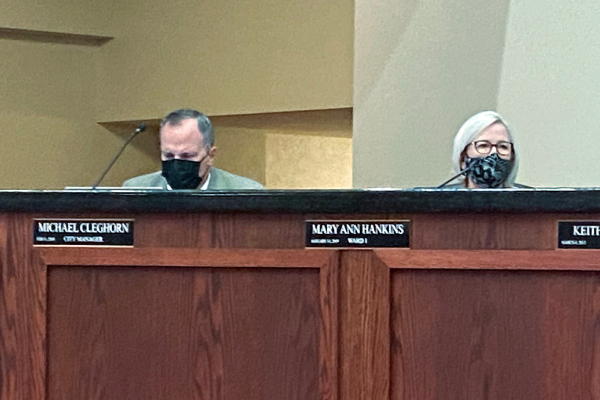
He recently briefed the Lawton City Council on guidelines for spending the city’s share of ARPA money. Lawton received $18.2 million in ARPA funds, of which $9.1 million was available in the first year.
Earlier this year, President Joe Biden signed the American Rescue Plan Act into law to help city, county and tribal governments retain jobs and recover the revenue they lost due to the pandemic. The package also earmarks funds for improvements to water systems, wastewater plants and broadband capacity.
Fina said cities may use ARPA funds for a variety of pandemic-related projects, including:
• Helping public health departments fight the spread of the coronavirus, the virus that causes COVID-19.
• Supporting small businesses.
• Supporting the tourism, travel and hospitality industries.
• Rehiring employees and building the city’s capacity to implement economic relief programs.
• Providing premium pay for essential workers who must be physically present to do their jobs, such as firefighters, police officers or public works employees.
“Because honestly, our firefighters, our police and our public works — those are the people who were out on the front lines,” Fina said. “They’re the ones who were probably traumatized by COVID more than anyone else. So, this just provides some incentive, trying to keep those folks on staff.”
Fina said ARPA does not provide a permanent source of funds for employee pay, so cities that decide to offer premium pay should treat it as a one-time reward instead of handing out raises.
City officials should think carefully before making any spending decisions, Fina said. He advised officials to wait and see what the state does with its share of federal aid, approximately $1.9 billion.
“Let’s see if we can maximize those dollars here in Lawton and stretch those dollars out as far as possible,” he said. “You have an opportunity to make generational changes with this money, so be smart about it and think about it that way,”
City Manager Michael Cleghorn said officials have until Dec. 31, 2024, to either spend the money or earmark it for eligible infrastructure projects. Those projects must be underway by Dec. 31, 2026.