

OKLAHOMA CITY – A popular state scholarship program which has paid the college tuition for thousands of Oklahoma students was expanded this year with increased income limits and additions for family size.
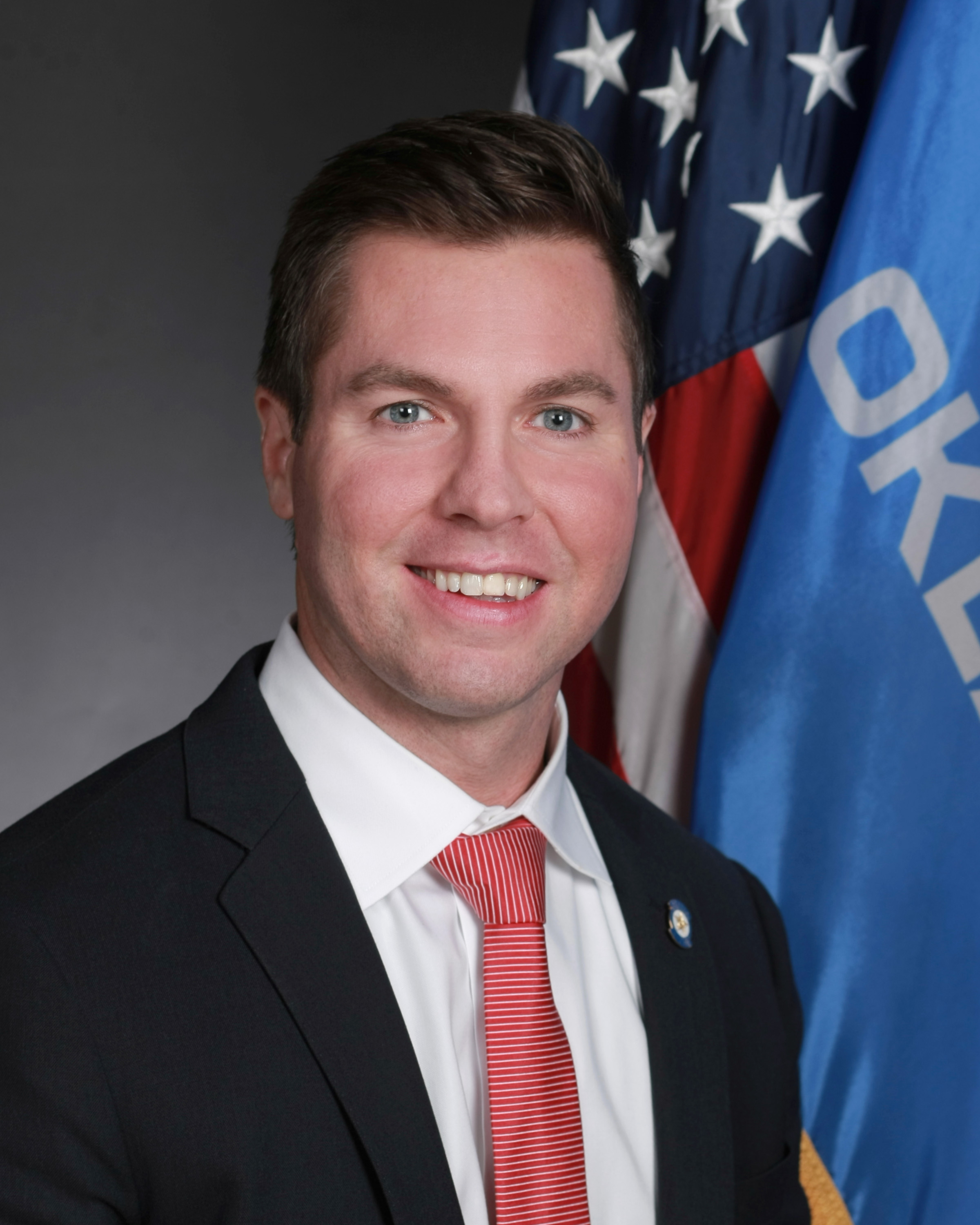
Senate Bill 1673 updated Oklahoma’s Promise Scholarship Program, the bill’s author, state Sen. Adam Pugh said. Pugh, a Republican from Edmond, said his bill changed the income cap on the program to be more reflective of family size.
Previously, the program set a $60,000 family income limit, regardless of the size of the family. Pugh said his bill changed that to include family size. The new rules keep the $60,000 income limit for families with two or fewer children; however, the income limit is raised to $70,000 for families with three to four dependent children and set at $80,000 limit for families with five or more dependent children.
“Obviously, the more children you have, the more expensive it is to raise them, but until now, that’s never been a factor in determining income qualifications for Oklahoma’s Promise,” Pugh said. “This is a common sense change that will increase access to the program and help even more Oklahoma students achieve their goal of obtaining a college education.”
Created in 1992 by Tulsa state Sen. Maxine Horner, a Democrat, Oklahoma’s Promise Scholarship Program was originally known as the Oklahoma Higher Learning Access Act. The program provides tuition scholarships for high students who meet the income level, maintain a 2.5 or better grade point average and stay out of trouble in high school.
Once the student meets the requirement of the program, the state pays the cost of tuition at state college, university or CareerTech center.
State records show the program is popular, even though usage has decreased over the past few years. According to a report by the State Regents for Higher Education, annual scholarship expenditures for the program have decreased by $8 million – about 11% – since 2017-2018.
“Factors contributing to the cost reductions include legislative reforms passed in 2017 that eliminated award payments for non-credit remedial courses and require checking of the $100,000 second income limit each year the student is in college,” the report noted.
In addition, tuition payments were less, the report said, because a number of colleges have not raised tuition for several years. “In 2020-21 nearly 70 percent of state public colleges did not increase tuition,” according to the report.
Records show that 14,852 students received scholarships through the program during the 2020-2021 fiscal year, a decrease of 4,043 students from 2014-15. At the same time, the money spent by the state increased from $63.9 million in 2014-15 to $64.2 million.
Roughly 51% of students from rural areas – any county in Oklahoma other than the five most populous – Tulsa, Oklahoma, Cleveland, Comanche and Canadian – took advantage of the program in 2021, a decline from 57% in 2013.
At the same time, the number of urban students – those from the five most populated counties – in the program increased from a low of 43% in 2013 to 49% in 2021.
State Rep. Jadine Nollan, who sponsored the bill in the House of Representatives, said the new limits would be helpful for parents who have multiple children going to college.
“This will help more students attend Oklahoma colleges and universities, which in turn translates into more skilled and trained workers who can attain higher-paying jobs, resulting in a better economy and overall improvement for our state,” Nollan, R-Sand Springs, said.
SB 1673 was signed into law on May 25.