

SWINE TIME
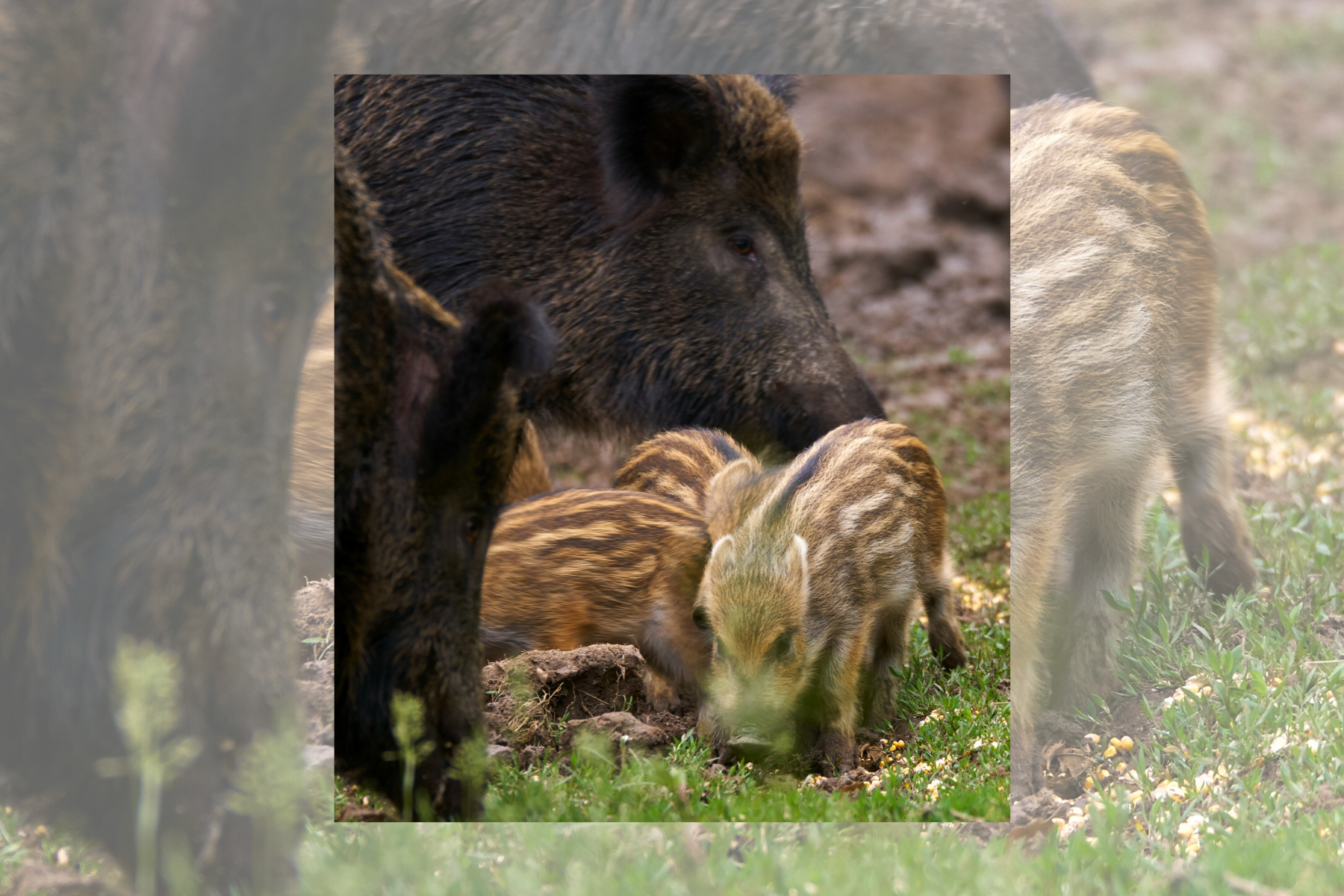
OKLAHOMA CITY – Feral hogs are a menace that routinely causes headaches for many Oklahoma farmers and ranchers.
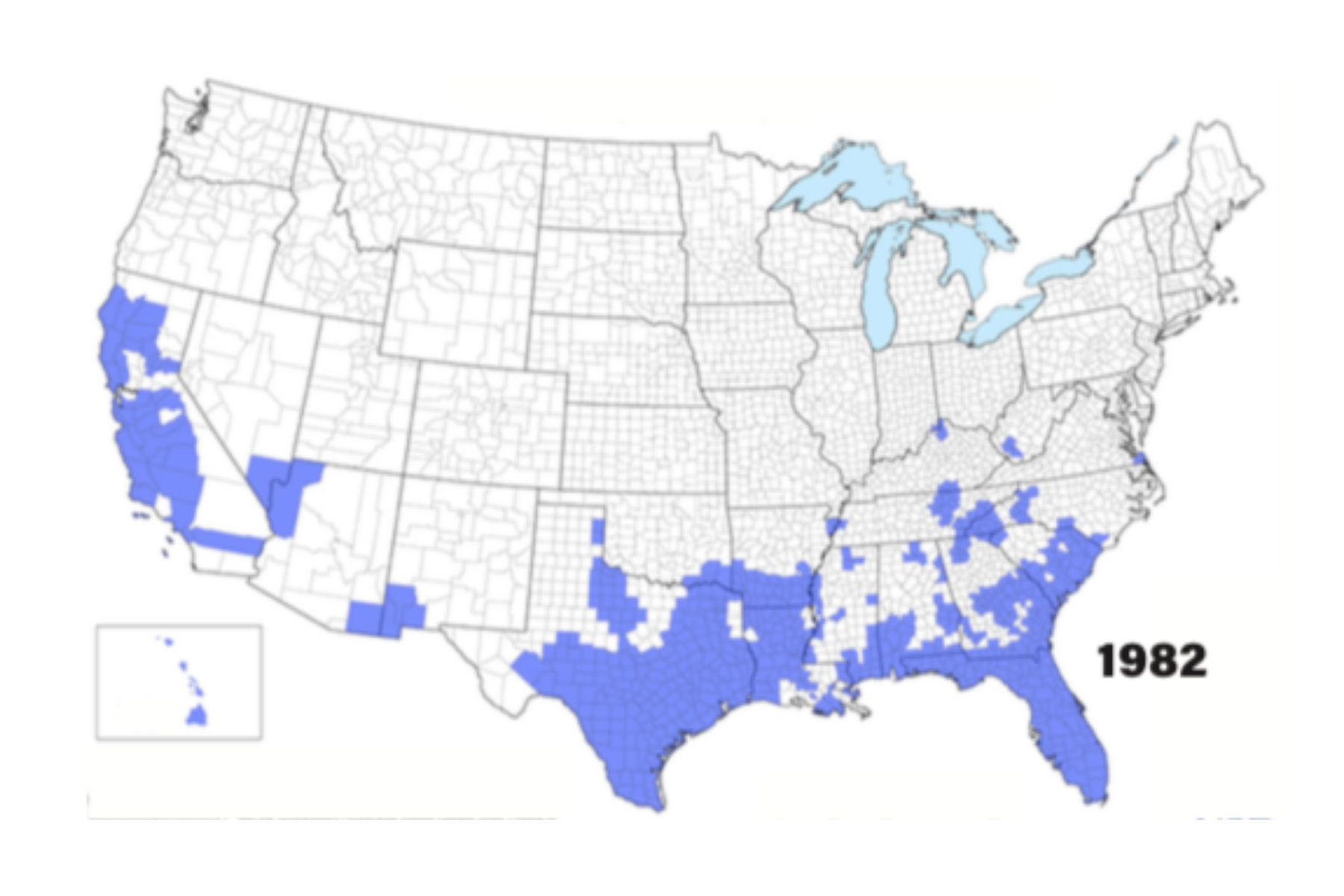
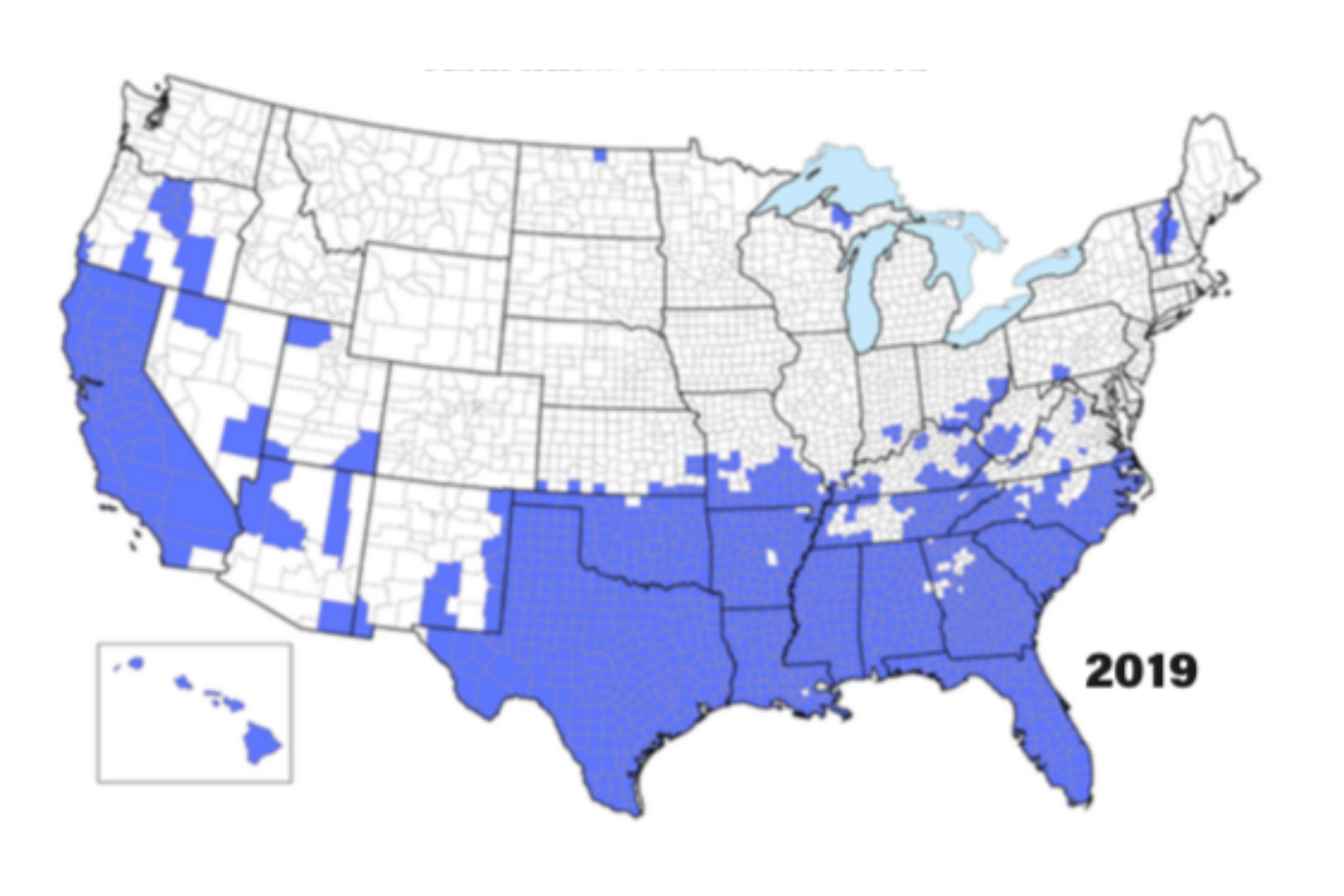
Wild pigs are a major problem for the agricultural community as well as some urban communities, causing an estimated $2 billion in damage to U.S. land and crops each year. In addition, feral hogs pose disease risks to livestock, pets and humans. The Feral Swine Eradication Project will be among the issues discussed during a conservation workshop and lunch in Frederick on April 7. Other topics will include grazing management, cover crops and no-till for soil health benefits, and U.S. Department of Agriculture (USDA) Farm Bill updates will be provided.
Trey Lam, executive director of the Oklahoma Conservation Commission (OCC), will discuss the Feral Swine Eradication and Control Pilot Program. This project focuses on two areas of the state. One is in the Western Red River area and includes Tillman, Cotton, Jackson and Harmon counties; the other area is in far northern Oklahoma in Kay County.
‘FERAL SWINE FREE ZONE’
Creation of a “feral swine free zone” along the Red River is a goal of a three-year pilot project administered by the OCC with a $1.04 million grant from the USDA. The Western Red River watershed is targeted in a multi-state effort of the Oklahoma Conservation Commission and Texas conservation partners in an effort to “significantly reduce the feral swine population where the invasive species has created substantial economic losses,” OCC public information officer Bryan Painter said. “Oklahoma has struggled with the invasion and exponential growth of feral hogs for years,” Lam said. “Crops and pastures are being destroyed. Water quality of our streams and lakes are being degraded. Wildlife and its habitat are being destroyed.”
The Feral Swine Eradication Project is expected to span 36 months, said Lisa Knauf Owen, assistant director of the Conservation Commission. Afterward, it is the OCC’s goal “to have a self-sustaining feral swine control program administered by local conservation districts,” she said.
CONSERVATION DISTRICTS HAVE ROLE IN PROGRAM
The USDA grant “will provide funds and manpower from state and federal partners to target feral swine in specific geographic areas,” Lam said. “Our emphasis will be on keeping the eradication locally directed by utilizing local conservation districts working through their cooperating farmers and ranchers.” The Feral Swine Eradication and Control Pilot Program is a joint effort between USDA’s Natural Resources Conservation Service (NRCS) and Animal and Plant Health Inspection Service (APHIS) to help address the threat that feral swine pose to agriculture, ecosystems and human and animal health.
Conservation districts will play a major role in contacting landowners to gather damage assessments, schedule access for USDA-APHIS trappers, pre-bait areas for trapping, and monitor trapping sites. Conservation districts also will provide outreach to all county residents as to the need for controlling feral swine populations and educating agricultural producers about programs available to assist with damage repair. The districts will provide landowners with information regarding conservation practices and programs that are available to address resource concerns, Painter said.
ALSO ON AGENDA...
Also during the April 7 workshop, participants will hear from various USDA agencies as well as those of the Oklahoma Tribal Conservation Advisory Council, the Oklahoma Conservation Commission, the Oklahoma Black Historical Research Project, Inc., and the Oklahoma Association of Conservation Districts. Anyone who is interested in attending should RSVP for the workshop and lunch by April 1 to Charles Winslett, Charles.Winslett@usda. gov, 580-335-2817, Ext. 111, or 580-335-3921, Ext. 3; or to Dr. Carol Crouch of the NRCS, Carol.Crouch@ok.usda.gov.
The event is open to the public at no cost. If reasonable accommodation is needed, please notify when you RSVP. Pre-registration will start at 9:30 a.m. and the workshop begins at 10 a.m. The event will be held in the Seminar Room at Great Plains Technology Center, 2001 E Gladstone in Frederick.