

OKLAHOMA CITY – The chances that an Oklahoman with a criminal record could land a job and help alleviate the nationwide labor shortage would be improved by legislation approved recently in the state Senate.
Senate Bill 1691 provides that a conviction or criminal charge could be grounds for denial of an occupational license only if the underlying offense “substantially relates to the duties and responsibilities of the occupation and poses a reasonable threat to public safety.”
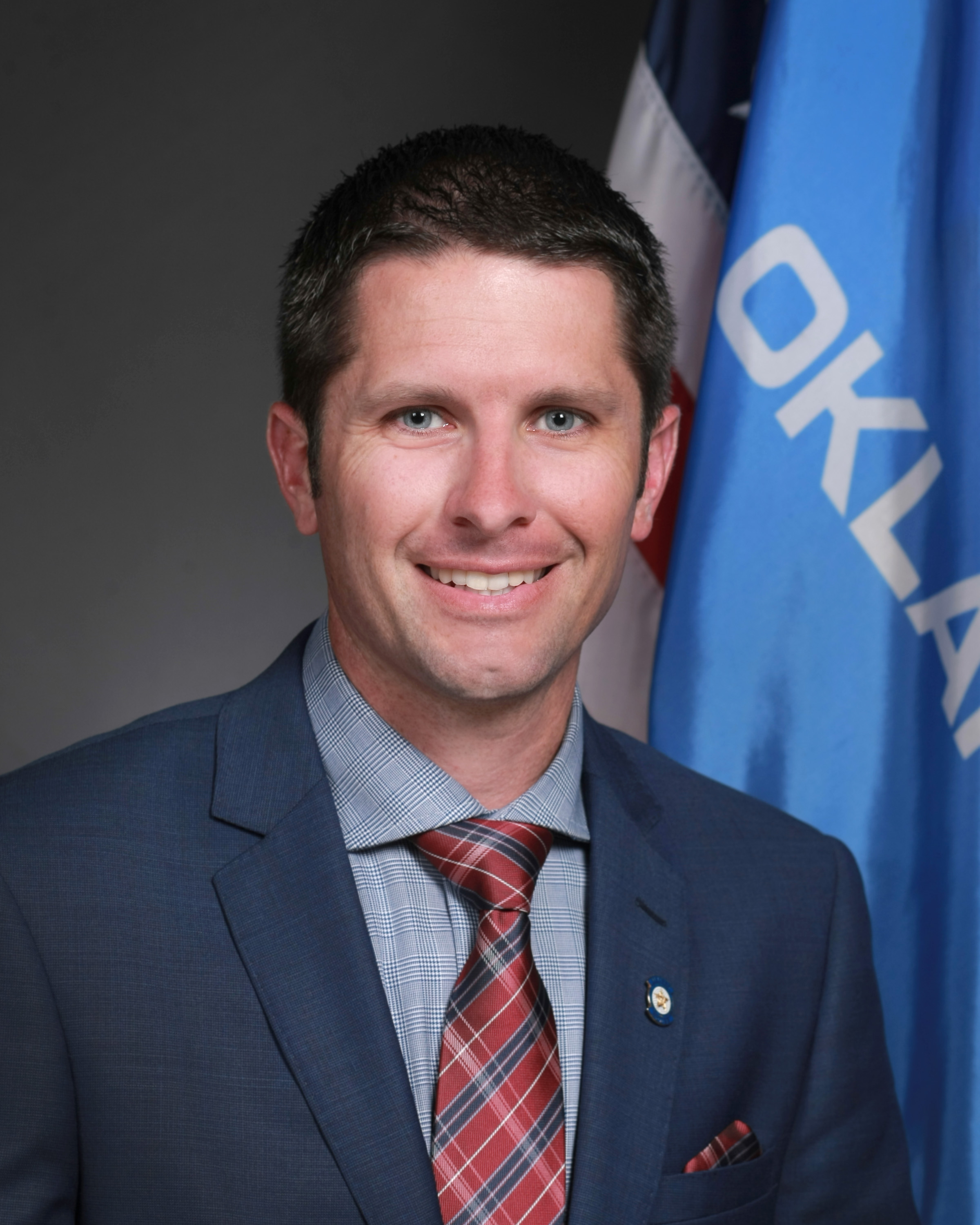
SB 1691 “builds upon previously approved occupational licensing reforms and would be transformational for job-seeking Oklahomans who have criminal records” by giving them a second chance, said Sen. Zack Taylor. The Seminole Republican is the principal author of the measure, which the state Senate approved 47-0 on Feb. 22.
Each licensing board would be required to consider the seriousness of the crime, the amount of time that’s passed since conviction, the age of the applicant at the time the crime was committed, evidence relevant to the offense and evidence of rehabilitation.
The measure also decrees that denial of licensure could not occur if the conviction was pardoned or expunged; more than five years have elapsed since the date of conviction or release from incarceration; or if the arrest was not followed with conviction unless charges are pending.
Authorities denying an application would be required to justify the denial, including naming the specific conviction. The measure would require the licensing or certification authority to notify the applicant to submit additional evidence relevant to each of the factors listed within 30 days of the denial.
The measure also would direct each licensing entity to publish information relating to these procedures and considerations on their respective websites.
Under existing law, boards “can automatically disqualify an applicant who’s committed a certain offense without an evaluation of their specific circumstance,” Taylor said.
Shifting to a “factor-based review” would allow boards to “look at the specific circumstances of the applicant and take into account the rehabilitation and amount of time that’s taken place since the crime was committed,” he said. This type of review would “open the door” for many Oklahomans who have a criminal record “while still protecting public safety and maintaining discretion for the licensing board.”
SB 1691 would exclude from consideration any offense that’s been dismissed, pardoned, sealed, or expunged from the record, or if five years have passed since conviction or the end of incarceration without any new conviction.
Offenses on the violent crime list, felony domestic assault, and offenses that require sex offender registration could be considered as a variable for licensure at any time.
“Each year thousands of Oklahomans leave prison and re-enter our communities with a drive to pursue their second chance and provide for themselves and their families,” Taylor said. “However, many struggle finding a job upon their release due to their criminal record. If we can eliminate the hurdles for countless jobs that are in demand – like electricians, plumbers and hairdressers – we can encourage safe and successful employment while reducing our recidivism rate.”
States across the country are reforming occupational licensing to ensure more citizens can work and be productive members of society, he said. The Council of State Governments reports that 19 states in some way limit consideration of older convictions in the licensing process; 28 states require individualized consideration of applicants; and 25 states restrict consideration of pardoned, sealed or expunged records.
House Bill 1373, which passed in 2019, “opened the doors for more Oklahomans with a criminal record to apply for and safely obtain their occupational license,” Taylor said. SB 1691 “simply builds upon the work we’ve already started to promote second chances and workforce development at a time when our state ranks 12th nationally in labor shortage.”
The legislation is supported by the Prison Fellowship, Americans for Prosperity, Institute for Justice, Right on Crime, Catholic Conference, the Oklahoma Council of Public Affairs, and the Council of State Governments, Taylor said.
The measure now heads to the state House of Representatives for further consideration. Rep. Brad Boles, R-Marlow, is the House sponsor of the bill.