

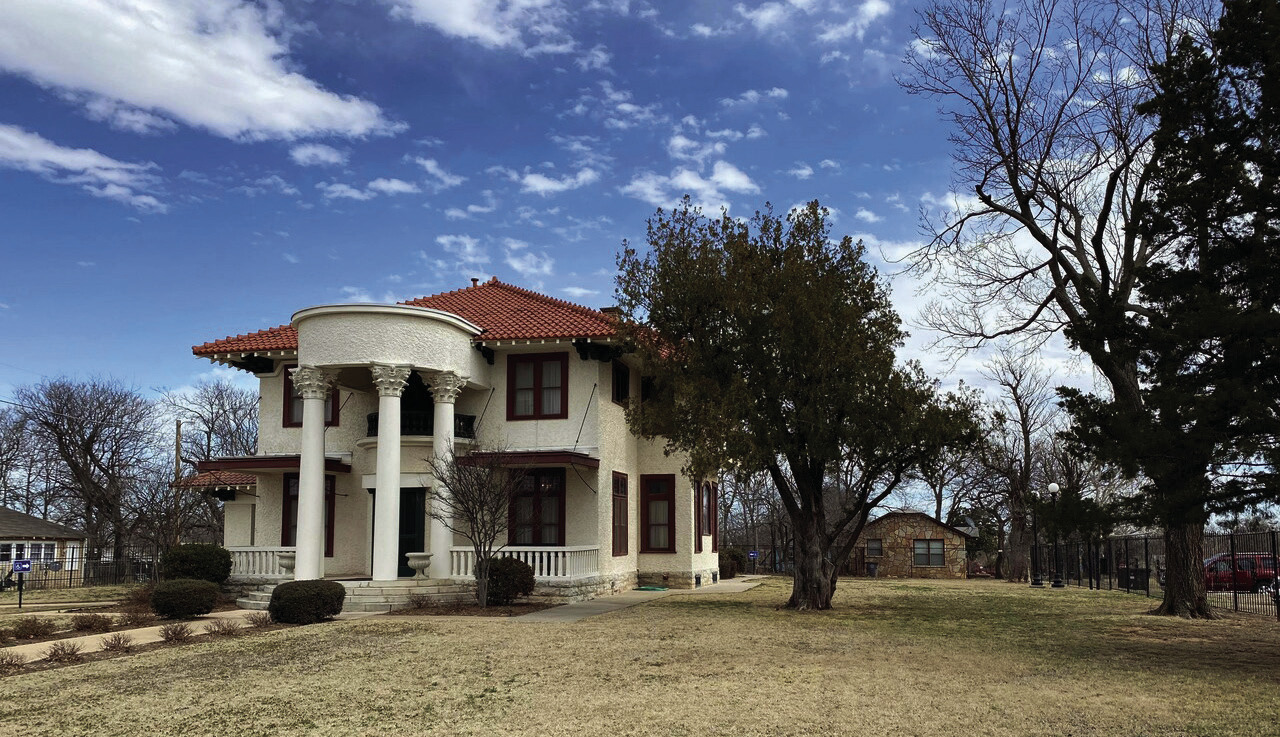
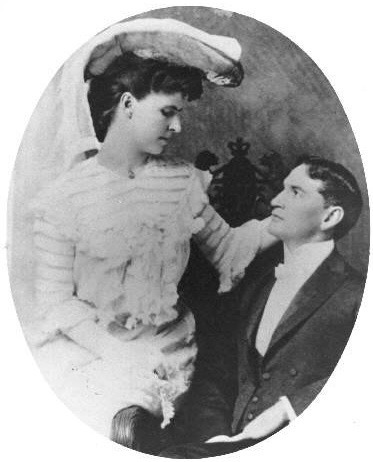
LAWTON – When it comes to local history, most Lawtonians are familiar with the name Mattie Beal. Her historic home still stands at Fifth Street and Summit Avenue and is listed on the National Register of Historic Places.
Beal won the second draw in the 1901 Land Lottery, which would open the former Kiowa, Comanche and Apache land to homesteader settlement.
The lottery was an attempt to introduce a more organized approach to obtain the highly sought after territory, rather than the wild, chaotic land runs.
“Mattie has always been lucky,” said her mother in an interview published in the Aug. 4, 1901, issue of the Wichita (Kansas) Daily Eagle. The Lawton Land Lottery drawing was held July 29, 1901. “She has had luck in everything she has undertaken.” Louisa Jane Beal confirmed to the reporter that her daughter had found a horseshoe the day before the drawing, which is commonly believed to be a sign of good luck. The Beal family lived in Wichita.
Beal was described by the Topeka (Kansas) State Journal in their July 10, 1902, edition as “the Wichita telephone girl who drew the $30,000 claim.” She worked for the Kansas and Missouri Telephone Company, and after her fortunate draw was made public, she received more than 600 offers of marriage, including a suitor of German nobility. On July 16, 1902, Beal married Charles Warren Payne, who worked as a clerk in a Lawton lumber yard. The couple built a 14-room Italian and Greek Revival-style mansion for their home.
Her draw allotted Beal 160 acres and would permit the choice to select desired land near the new townsite. However, the man who acquired the first draw, James R Woods of Weatherford, had other plans.
“Instead of selecting his land to conform to the regular sectional division south of Lawton, he made his selection to shut out Miss Beal,” the State Journal reported. “The matter was settled in favor of Woods, who soon after died.” His obituary, which appeared in the October 24, 1901, edition of the Pauls Valley newspaper, The Chickasaw Enterprise, revealed he died of typhoid fever after a brief illness.
Woods had filed his claim on a rectangular quarter section of land, rather than the usual 160-acre square. This entitled him to the entire length of land directly south of Lawton’s original townsite. According to okhistory.org, the other surrounding sides of the townsite were all either federal or Indian land. This made it impossible for Beal to secure land bordering the new town, so she selected a similar rectangle tract of land south of Woods.
Both the Woods and Beal additions were added to Lawton in 1902. Documents show that Beal’s tract extended from Lee Boulevard north to the alleyway between I and J streets and from Railroad Street west to 11th Street. Two city parks, a church and Lincoln Elementary School were built on land she donated.
Beal lived in the home that she and her husband built and she died on July 24, 1931, due to a ruptured appendix. The home was acquired by the Lawton Heritage Association in 1974.
Debi DeSilver is an award-winning, third-generation Oklahoma journalist whose writing career now spans almost 50 years. She can be reached at silvercitypublishing@ gmail.com.