

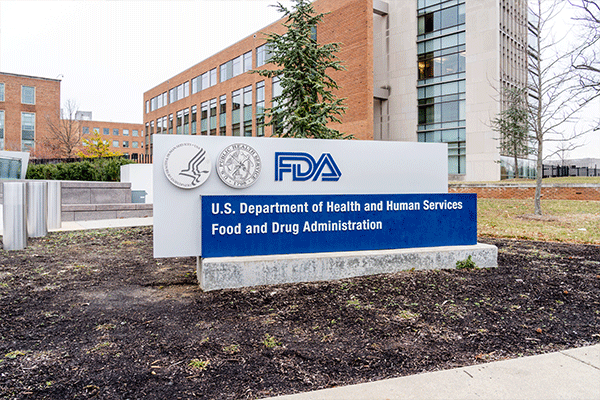
An employee of the Food and Drug Administration was suspended without pay for 120 days for raising funds for a political campaign, violating the Hatch Act.
In addition to prohibiting federal employees from soliciting, accepting, or receiving political contributions at any time, even when off duty and away from the federal workplace, the Hatch Act disallows federal employees from engaging in political activity while on duty, in a federal building, while wearing a uniform, or using a government-owned vehicle. Enacted in 1939, the Hatch Act also prohibits federal employees from using their official authority or influence for the purpose of interfering with or affecting the result of an election.
The U.S. Office of Special Counsel (OSC) recently announced a settlement agreement reached with one federal employee at the U.S. Food and Drug Administration (FDA) who admitted to violating the Hatch Act’s prohibition against political fundraising.
In this case, the FDA employee first contacted OSC to ask about serving in a leadership position within a political party, which was permissible. However, the employee then authorized the creation of a social media page featuring his name and image that was used several times to solicit political contributions, including at least one that the employee admitted he posted personally. The employee also co-hosted a fundraiser for a candidate for partisan political office and allowed his name to be used in connection with two other political fundraising events, all in violation of the Hatch Act.
The employee had knowledge of the Hatch Act and admitted that he should have known about the fundraising restrictions when he engaged in the prohibited activity. In a settlement agreement, the employee agreed to a 120-day suspension without pay.
In addition, a USPS sales associate in California violated the Hatch Act by making partisan political statements to a customer while working at a post office sales counter. While in uniform, the employee told a customer that it costs $0.71 to mail a ballot, but “five bucks if you’re a Democrat” and remarked that he would never again vote for Democratic candidates. Other customers overheard the statements and one witness told OSC she decided to mail her ballot from a local library instead of the post office because she was concerned that the USPS employee would tamper with her ballot.
The individual admitted to violating the Hatch Act, and in a settlement agreement, agreed to serve a ten day suspension without pay.
A third federal employee, an FAA employee, while at work, made multiple Facebook postings over a period of several months that were in support of Democratic candidates or in opposition to the Republican Party. The partisan political social media posts violated the Hatch Act’s prohibition against engaging in political activity while on duty or in a federal room or building.
The employee admitted to having knowledge of the Hatch Act when he engaged in the prohibited activity, and his supervisors had warned him not to make political social media posts from his government computer. In a settlement agreement, the individual agreed to a 30-day suspension without pay.