

By Christopher R. Haunschild
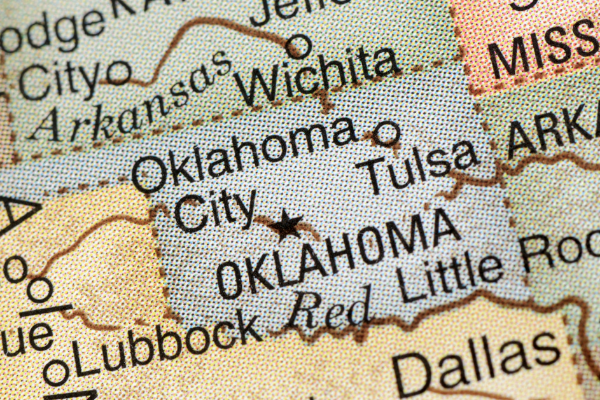
The U.S. Supreme Court’s 2020 ruling in McGirt v. Oklahoma creates tax opportunities for certain tribal members, and will adversely impact state and local tax revenues. Tribal sovereignty over territories belonging to the Muscogee (Creek) Nation was the issue settled last July, with a final determination that Congress never disestablished the reservation. The Oklahoma Court of Criminal Appeals has now applied the ruling to recognize the lack of dissolution of the Cherokee, Chickasaw, Choctaw and Seminole reservations. Under federal law, these portions of eastern Oklahoma are officially considered “Indian Country,” even though much of the land is privately owned by nontribal members.
The state of Oklahoma cannot impose income tax on the earnings of tribal citizens who work and reside in their tribe’s designated territory. Businesses operating in the area cannot collect state and local sales tax from tribal members. When the territory’s scope was considered extremely limited, very few people qualified for these tax exemptions, but the recently expanded understanding of the area means that more than 100,000 tribal members may be exempt from Oklahoma income tax and sales tax. In fact, the Oklahoma Tax Commission published a report in September that estimates the ruling will reduce state income tax collections by $72.7 million per year, and cause an annual decline of $132.2 million in state and local sales tax. It is possible that tribal citizens will be eligible for income tax refunds for the past three years totaling $218.1 million. The federal income tax and local property tax obligations of tribal members are unaffected by the McGirt case.
Tribes have the authority to impose taxes on their members, regardless of where they work and live, so it is possible that new tribal taxes could be imposed on tribal members in recognition that their state and county tax burdens might be reduced. Even though they could, it is not clear tribal leaders would take such an unpopular action.
In contrast, the tribal nations are extremely limited in their authority to tax nonmembers, so the general population does not have to worry about a potential wave of new tribal taxes. The law is clear that tribes cannot collect income or property tax from nonmembers. Tribes also cannot force nonmember business owners to collect tribal sales tax, which limits the possibility of tribes imposing a broad sales tax on all consumers who shop within their territorial boundaries. Likely the only potentially valid tax on nonmembers would be a new tribal sales tax on purchases from businesses owned by tribal members. Of course, consumers could avoid this tax by steering clear of businesses that collected it, so such an attempted tax might raise little revenue and serve only to create a competitive disadvantage for businesses owned by tribal members.
The full criminal and civil law implications of the McGirt ruling are yet to be seen, but we should expect other surprising issues to arise.
The foregoing should not be understood as, or considered a substitute for, legal advice. For specific inquiries, please contact Christopher R. Haunschild or another licensed attorney.
Christopher R. Haunschild is an attorney with Crowe & Dunlevy, crowedunlevy.com, and a member of the Taxation and Indian Law & Gaming Practice Groups.