


Rep. Lonnie Sims
OKLAHOMA CITY – Spurred by a dramatic increase in catalytic converter thefts in recent years, the Oklahoma House of Representatives endorsed a measure intended to ensure Oklahoma doesn’t become a ‘safe haven’ for the thefts.
The author of the legislation, Rep. Lonnie Sims, R-Jenks, said thefts of the emissions control devices have more than quadrupled nationally from 3,389 in 2019 to 14,433 in 2020.
House Bill 3005 would create a new felony for trafficking in stolen automotive catalytic converters.
The bill specifies that any person who receives, transports, or possesses a stolen automotive catalytic converter or its components commits a felony crime. The penalty upon conviction would be one to five years in prison, or confinement in a county jail for a term of 90 to 200 days, a fine of $100 to $500, or both fine and imprisonment.
HB 3005 provides the circumstances to consider when a buyer makes an inquiry about the legal right to sell or deliver an automotive catalytic converter. All surrounding facts and circumstances “should be considered when determining whether a person knew or should have known that the item was stolen, including, but not limited to, the lack of documentation regarding the original sale, purchase, or ownership” of the catalytic converter.
Sims said the bill would help deter thieves from selling stolen catalytic converters. It would also provide law enforcement officials more statutory authority to prosecute catalytic converter thefts.
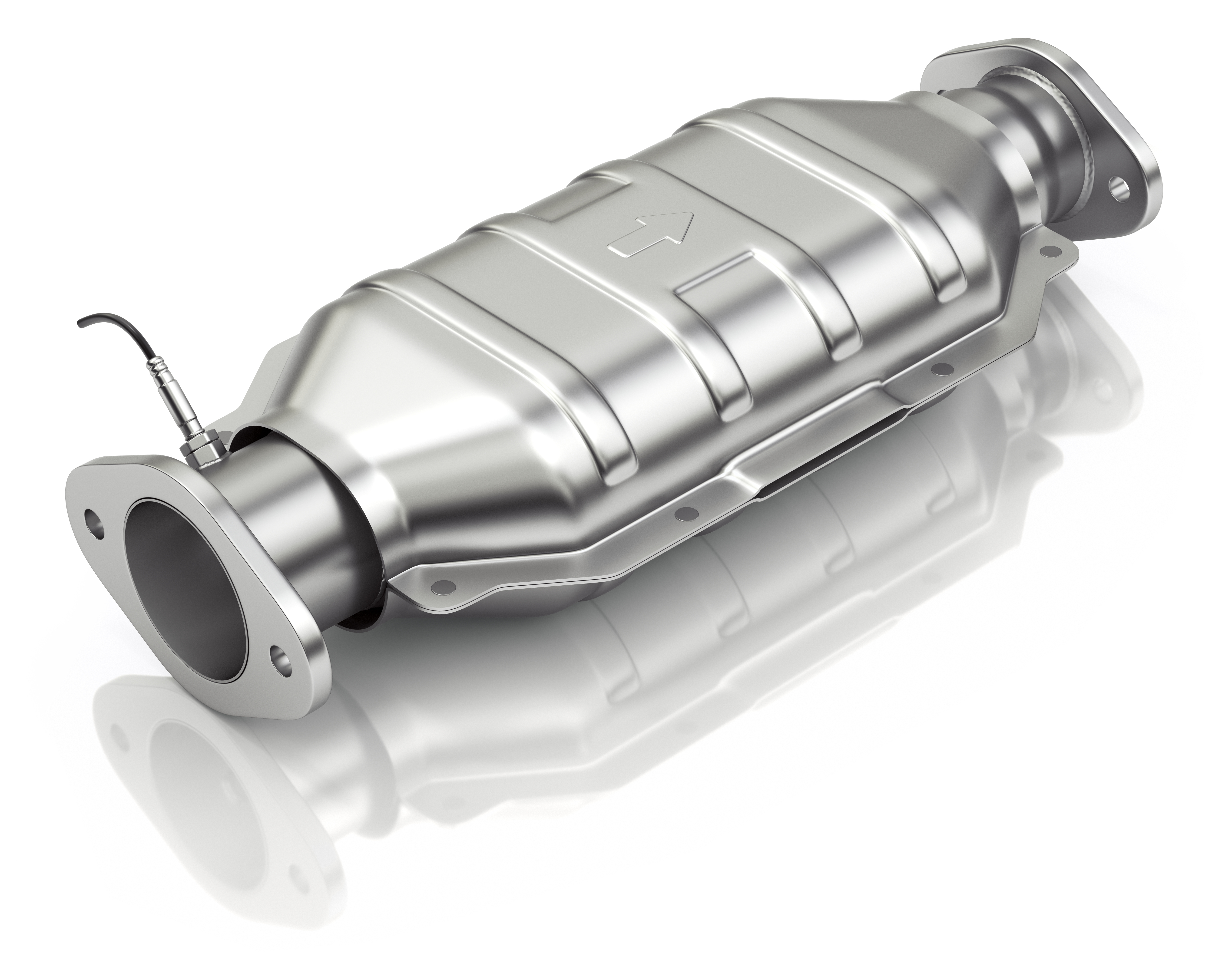
A catalytic converter is an exhaust emission control device that encases a honeycomb structure that filters fumes to reduce toxic gases and pollutants in exhaust gas from an internal combustion engine. Catalytic converters are usually used with engines fueled by either gasoline or diesel.
The parts are manufactured from three metals that command a steep price tag. Two of those elements are palladium and rhodium, both of which are more valuable than gold. Rhodium, a byproduct of the production of platinum and palladium, is unequaled in its ability to remove the most toxic pollutants from vehicle exhaust.
One ounce of rhodium was priced at $18,800 – 9.5 times the price of gold – and palladium was priced at $2,538.74 per ounce, on the afternoon of March 24. An ounce of gold was priced at $1,964.74 that day.
Principal sources of rhodium are in South Africa; in river sands of the Ural Mountains in Russia; and in North America, including the copper-nickel sulfide mining area of the Sudbury, Ontario, region.
The U.S. Environmental Protection Agency, in a rule intended to reduce air pollution, made selling used catalytic converters illegal in 1990 unless they were tested and certified by the EPA.
Nevertheless, catalytic converters, just like copper wiring in streetlights, are stolen frequently. Reportedly some thieves use online auction sites such as eBay to sell the converters in bulk. Criminals can quickly remove the catalytic converter from a vehicle and sell the stolen part on the black market.
“Catalytic converter theft is a huge problem that, unfortunately, has affected many Oklahomans,” Sims said. “Given the significant increase in inflation and ongoing supply chain problems, replacing a catalytic converter can cause significant financial strain on a family and leave them with an inoperable vehicle for months.”
According to Insurance Panda, the cost of replacing a catalytic converter depends on the type of vehicle, “but you should expect to spend somewhere between $1,100 and $2,600 to replace your catalytic converter, including parts and labor.”
Businesses with large vehicle fleets, such as dealerships, are often targeted due to the number of potential marks in a small area, Sims said.
Thefts from commercial carriers can lead to replacement costs in the tens of thousands of dollars and additional lost revenue due to halted operations. The hastiness of thieves in removing a catalytic converter often results in collateral damage and results in higher repair costs for consumers and insurers.
Contacted by Southwest Ledger on March 24, Lawton Police Officer Andrew Grubbs said thefts of catalytic converters in Lawton are “kind of seasonal. Sometimes we’ll have one or two cases sporadically, and other times we’ll get several right in a row.”
The Oklahoma City Police Department doesn’t track catalytic converter thefts specifically, “but they are a real problem for us right now,” Master Sgt. Gary Knight of the department’s Office of Media Relations told the Ledger on March 24.
“There was a time a few years ago where we took several reports” of catalytic converter thefts, said Deputy Chief Russ Landon of The Village Police Department in north OKC.
“One of our officers was driving around a neighborhood at about 3 a.m. and caught a guy coming out from beneath a vehicle after having just cut a converter off. He had several in his car that he had stolen that evening,” Landon said. “It’s pretty easy to slip underneath a vehicle with a battery powered Sawzall and cut those things off.”
Missouri, Arkansas, Texas and Kansas implemented new laws targeting catalytic converter thefts in 2021, and Colorado has introduced a measure for consideration this year, Sims said.
HB 3005 passed the state House of Representatives on a 71-17 vote and was transmitted to the Senate, where it is sponsored by Sen. Lonnie Paxton, R-Tuttle.