

A case the Supreme Court will decide this year concerning tribal gaming may have significant implications for not only gaming law, but Indian law more broadly. In Ysleta Del Sur Pueblo v. Texas, the Supreme Court is examining federal restrictions on the ability of two Texas tribes’ ability to operate gaming enterprises. Texas law prohibits gaming and the state argues tribal gaming is consequently illegal under federal statutes recognizing the two tribes.
However, the tribes make a more nuanced argument. They say their recognition statutes incorporated California v. Cabazon Band of Mission Indians, a case that prompted significant change within the tribal gaming industry. There, the Supreme Court held certain states could apply laws prohibiting gaming to tribal lands, but could not regulate gaming activities that were not completely banned under state law. Therefore, because Texas does not prohibit bingo but merely restricts its function as an activity for charitable purposes, the tribes argue they can operate commercial bingo enterprises without state regulation or interference.
Although the case seemed unlikely to have far-reaching consequences, some Supreme Court justices expressed differing opinions. Justice Neil Gorsuch, for example, who is often seen as a supporter of tribes, considered the possibility of overruling Cabazon. Neither party in the case requested that outcome but because it is considered a significant case within Indian law, any question as to its validity is cause for concern.
Some justices also discussed the “Indian canon of construction” which requires courts to interpret statues affecting tribes in favor of tribal interests where possible. Justice Samuel Alito noted that textualists, jurists who rely primarily on the text of a law in resolving cases, “have some questions” about interpretive canons. Justice Elena Kagan remarked she might be in favor of “toss[ing] them all out[,]” including the Indian canon. Weakening or eliminating the tribal canon would have major repercussions for tribal nations.
The Court also questioned how bingo is defined for tribal gaming, as electronic bingo devices at tribal casinos often resemble slot machines more than traditional card-and-token bingo. Federal law strictly defines the boundaries between bingo games and more heavily regulated gaming devices. Justice Alito called the bingo machines at issue in this case “something different” than one might expect “people to be playing in church or at the Elks.” Other justices expressed interest in classifying these machines under federal law. The Supreme Court has not yet considered a bingo classification dispute.
The Supreme Court will likely issue a decision in the next few months. Repercussions of the case for gaming and tribal interests remain to be seen.
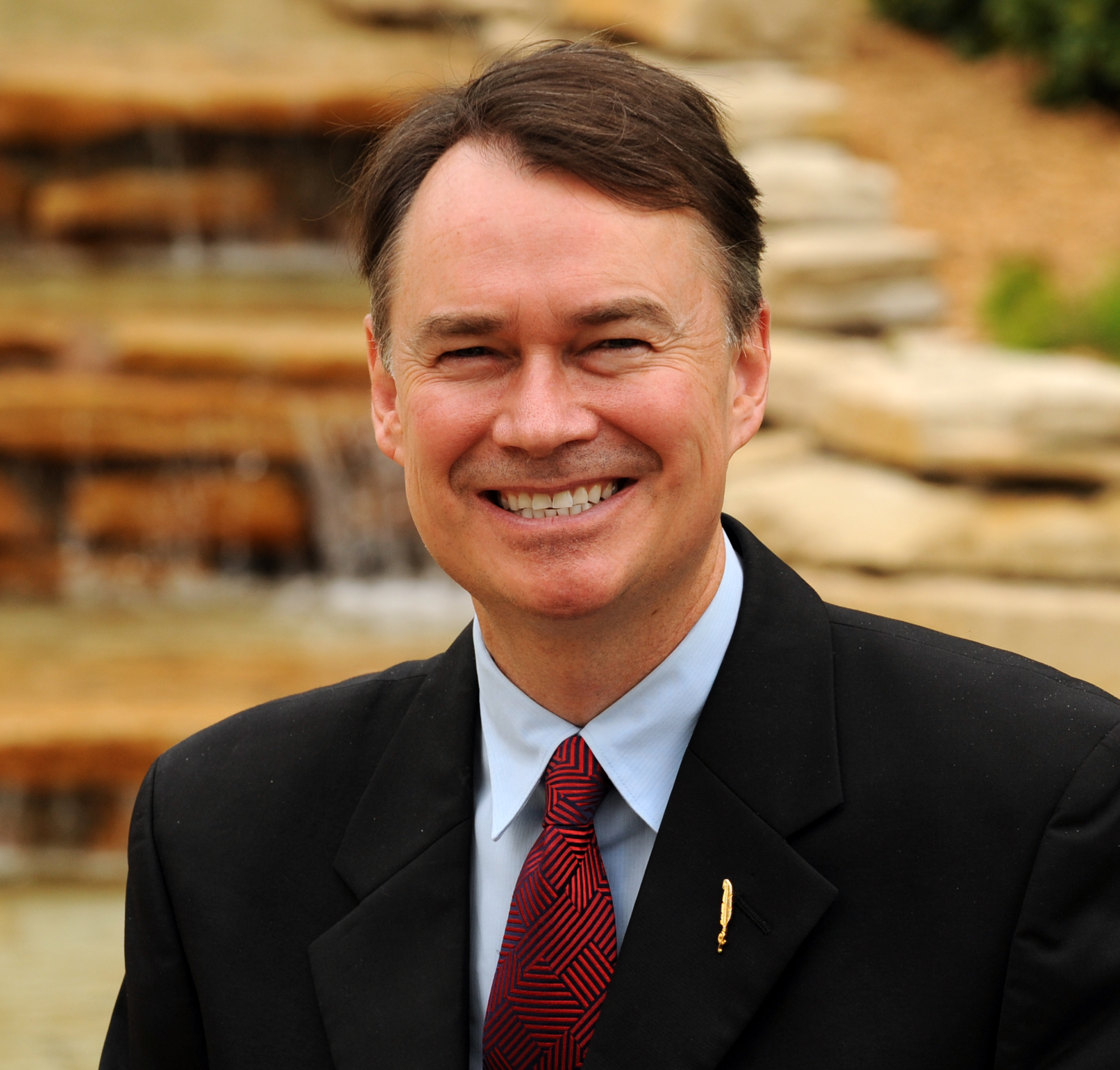
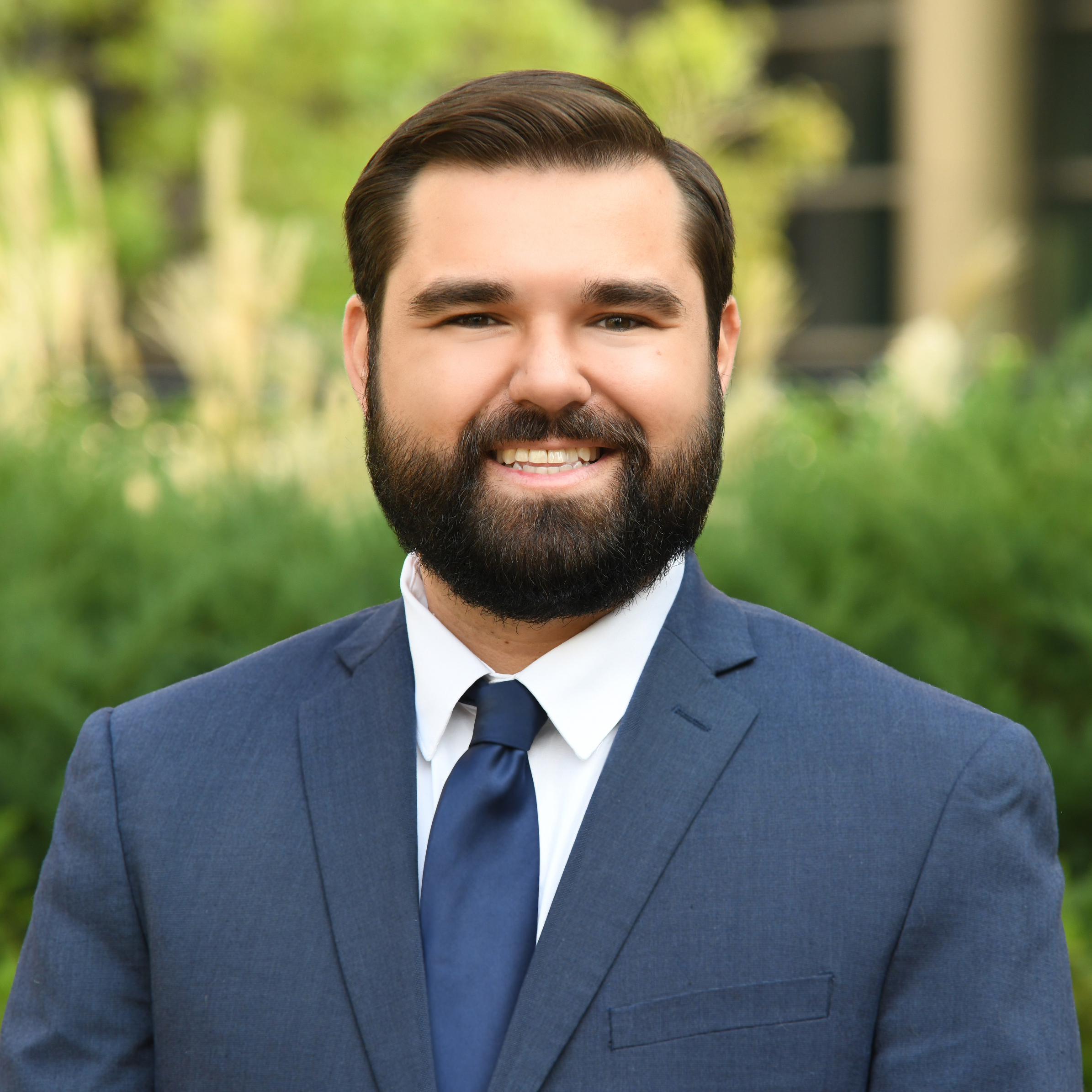
The foregoing should not be understood as, or considered a substitute for, legal advice. For specific inquiries, please contact Mike McBride III, Greg Buzzard or another licensed attorney.
Mike McBride, III and Greg Buzzard are attorneys with Crowe & Dunlevy, crowedunlevy.com, and members of the Indian Law & Gaming Practice Group.