

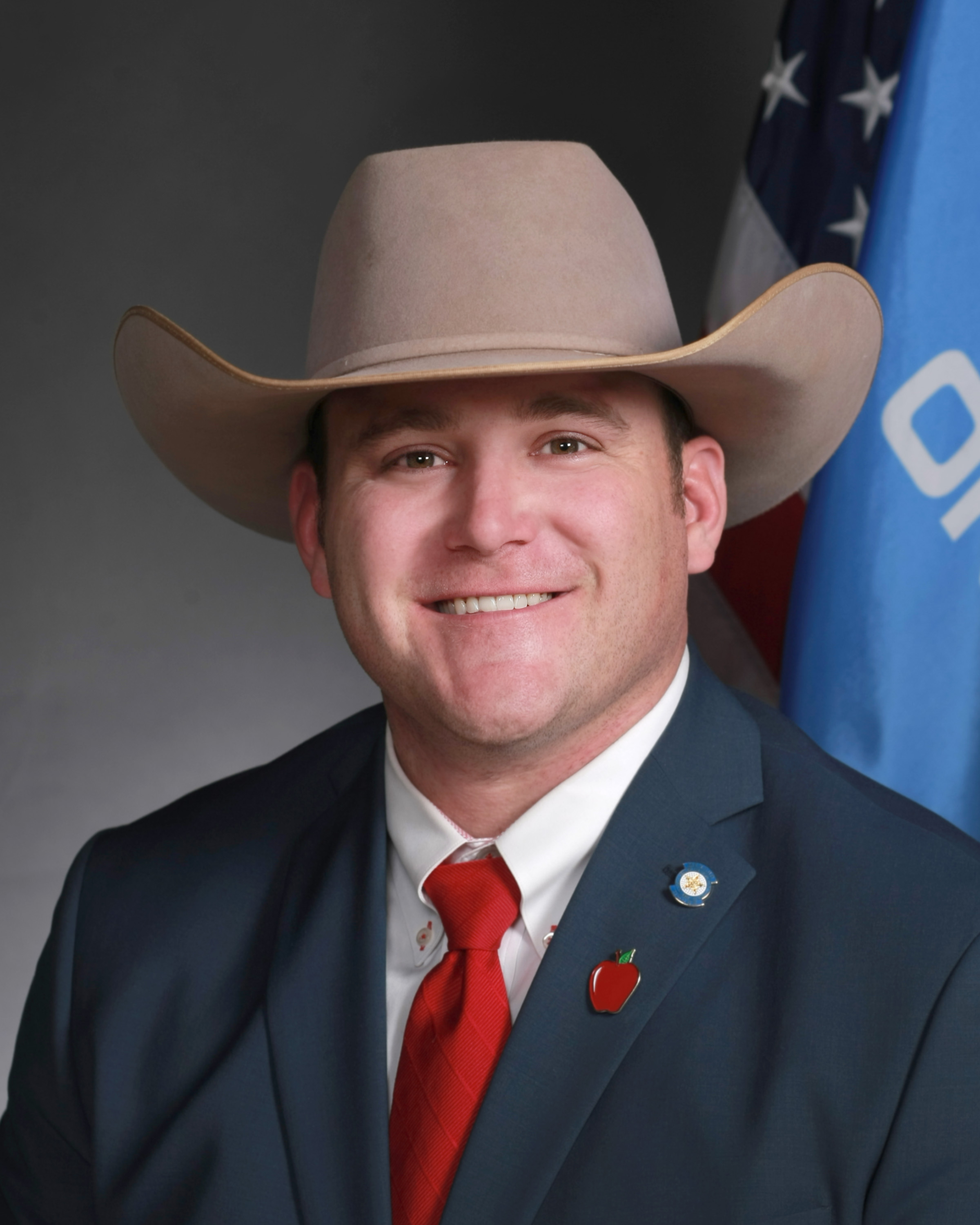
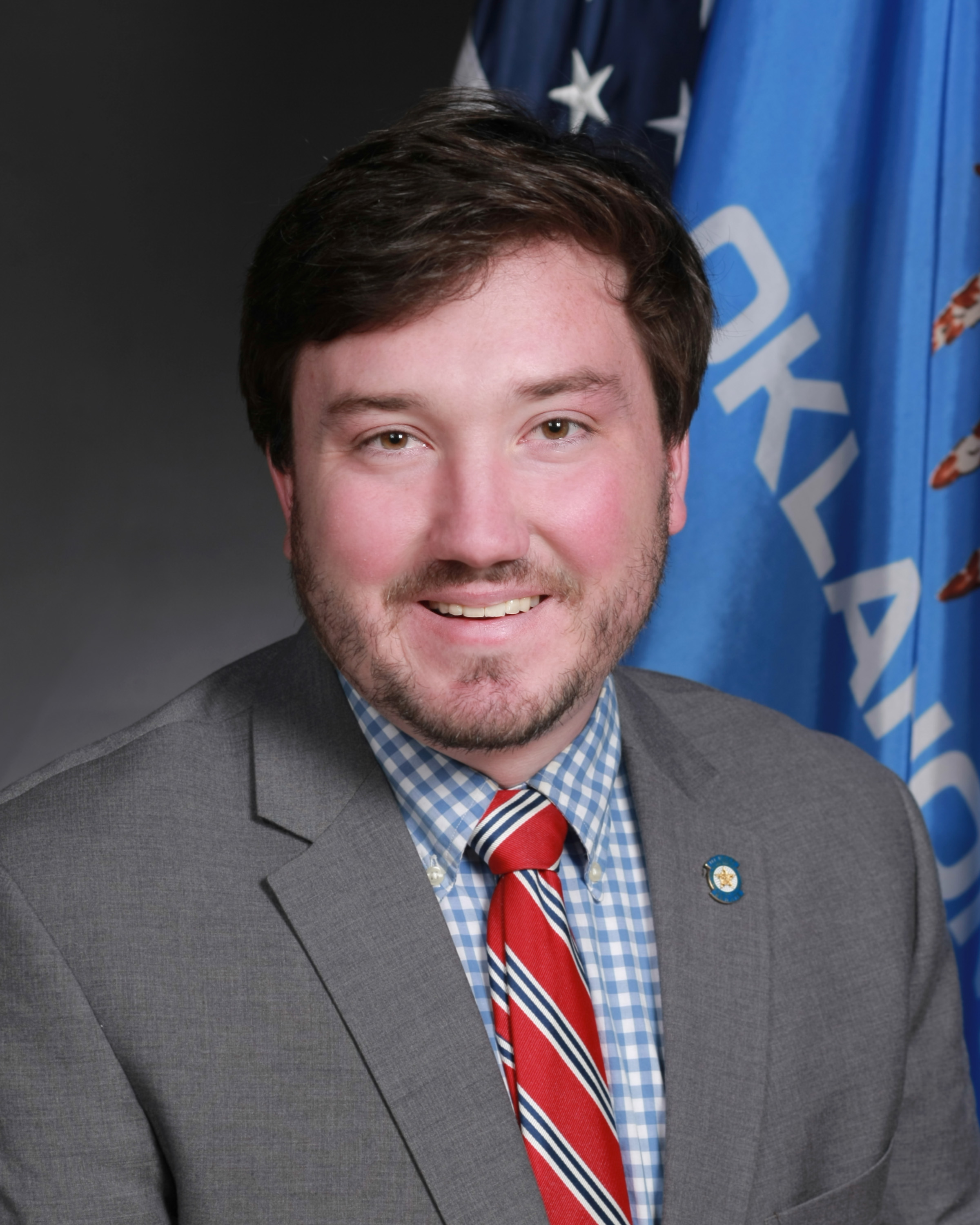
OKLAHOMA CITY – Two southwestern Oklahoma lawmakers have waded into the controversy surrounding the ad valorem tax valuations of the Cache School District, saying there were concerned by the “outsized impact on taxes” and who would pay for the error.
Last week, state Representative Trey Caldwell (R-Lawton), and state Senator John Michael Montgomery (R-Lawton), issued a joint statement about problems with the Cache district’s tax valuations.
On July 12, Cache School Superintendent Chad Hance posted letter to patrons and staff of the district on social media which said the school had been notified by county officials that a mistake was made in the district’s net assessed valuation.
Hance’s letter said a clerical error by the county “inadvertently increased the community’s valuation by $51 million.”
“The county assessor’s office made the mistake in March 2021, but it was not reported to Cache district officials until late June 2022,” Hance wrote. “We have invested the last two weeks in better understanding the unusual situation and determining how this will affect our school district and local taxpayers. Unfortunately, it will have a decidedly negative impact––one that the school board and district officials are unable to correct or control.”
Comanche County Assessor Grant Edwards replied that his office acknowledged the error but said his staff were unaware of the problem until June and that other issues—including a conflict between the Oklahoma Tax Commission and the Goodyear company––were part of the problem, too.
“More than a year passed before the error was caught and brought to our attending on June 22 by Goodyear’s accounting firm,” Edwards wrote in a statement responding to Hance. “Over the course of that year, there was some communication back and forth between our office and the Oklahoma Tax Commission about removing and reinstating Goodyear’s exemptions, but nothing about the valuation was discussed and we were not aware of the error until a few weeks ago.”
In their statement, both Caldwell and Montgomery said the issue stemmed from property within the Cache Public Schools District being over-assessed.
“When the error was corrected, this led to substantial financial challenges for the district as well as uncertainty for other taxing entities such as Comanche County, the Comanche County Health Department, and Great Plains CareerTech,” the legislators wrote.
Caldwell and Montgomery said they would continue to pursue facts in the case on behalf of constituents and in the pursuit of a better outcome for taxpayers. “We share our constituents’ concerns about an outsized impact on taxes and who pays for this error,” they said.
The lawmakers said a critical component of this situation rests in when and how the error was corrected.
“Public school funding relies first and foremost on valuations and assessments on property, and that has a direct impact on state aid formula funding for the school district. Errors in valuation, which do happen, if caught and corrected in time before the June deadline can then affect state aid funding either positively or negatively. In this instance, it is clear that this failsafe was not triggered in time. Had it been, the outcome would have been different and likely not as significant,” the pair wrote.
“Our view is there was not malicious or nefarious intent by any party, including the assessor and the affected school district. This, however, is not our determination to make, and our opinions are subject to change as more facts become available,” the lawmakers said. “The particular error most responsible for this situation is similar to what’s described in financial markets as a fat-finger error, where a larger than should have occurred input has been inserted, and is typically correctable.”
Both lawmakers acknowledged “some discussion around incentives for Goodyear.”
“Certainly, there would be some back and forth about what qualifies for certain exemptions, such as the state Constitution's five-year manufacturing exemption. However, most of those exemptions either qualify for reimbursement to the school district by the state or would not, in which case the taxed entity pays,” they said. “In instances of exemptions that are not reimbursed, no substantive legislative or state policy change has recently occurred that would have altered this situation significantly. Nor has there been to our knowledge a change in operations at Goodyear that would have prompted such a substantial change. We will be working diligently along with others in government with oversight responsibilities to get to the bottom of this situation. When we do, we will report our findings to the taxpayers and constituents of this community.”