

Three co-conspirators in a multimillion-dollar scheme to smuggle reptiles from the United States to Asia have been sentenced in a South Florida federal court.
Ka Yeung Marvin Chan, a Canadian national, was sentenced in January to 14 months in federal prison followed by two years of supervised release.
According to court documents and other public records, Chan and co-conspirator Daisuke Miyauchi owned and operated businesses overseas and engaged in the sale of reptiles.
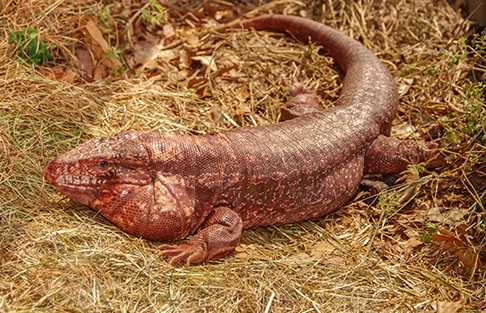
Both men traveled to the U.S. periodically to buy, among other things, ball pythons, blood pythons, common tegus (a type of lizard), Argentine tegus and iguanas, which are protected creatures in the Convention on International Trade in Endangered Species of Wild Fauna and Flora.
Chan and Miyauchi then conspired with Chun Ku to smuggle the reptiles out of the country, using Ku’s CITES permit and fraudulent export paperwork. CITES regulates trade in endangered or threatened species through permit requirements.
Over a seven-year period, the three collectively engaged in at least 107 separate criminal acts, smuggling to Asia 8,738 CITES II protected animals with a retail market value in excess of $5.13 million, federal prosecutors reported. In addition to the CITES II species, the fraudulent shipments contained 61,222 non-CITES animals, many of which also were smuggled.
All three defendants pleaded guilty to conspiracy to falsely label wildlife being exported from the United States, conspiracy to smuggle goods and merchandise out of the U.S. and submitting false records and false identification of wildlife intended to be exported.
Ku was sentenced in November 2022 to concurrent terms of one year and one day imprisonment, plus two years of supervised release and a $20,000 fine. Miyauchi was sentenced in February 2022 to concurrent terms of 13 months in prison. Each received favorable consideration at sentencing because they cooperated with authorities during the investigation.
The three “abused a system designed to streamline the exportation of captive-bred reptiles for law-abiding breeders,” said Assistant Attorney General Todd Kim of the Justice Department’s Environment and Natural Resources Division. “They allowed other business owners to sell and ship reptiles to buyers in Asia without going through the federal agency vetting process.”
The three-year investigation was undertaken by the U.S. Fish and Wildlife Service, and the case was prosecuted in the Southern District of Florida.