

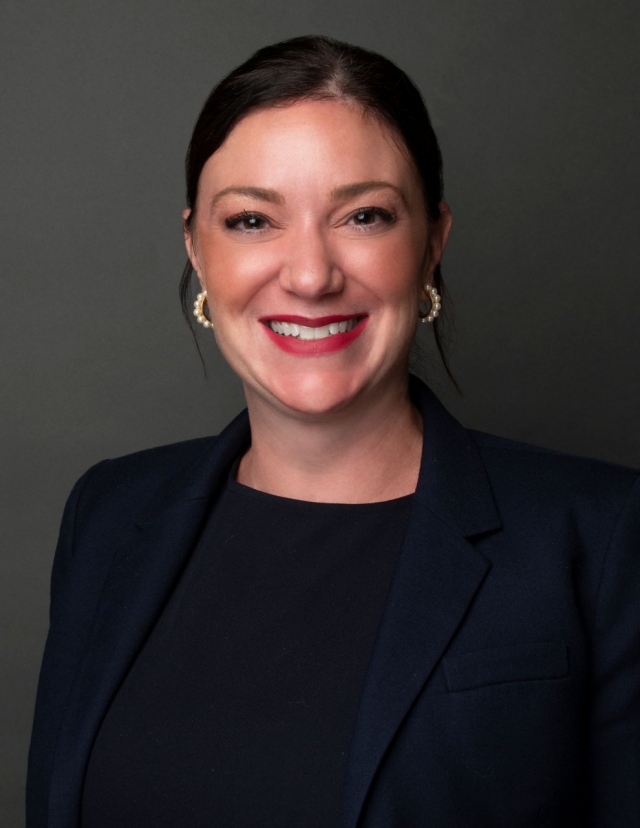
Adria Berry OMMA Executive Director
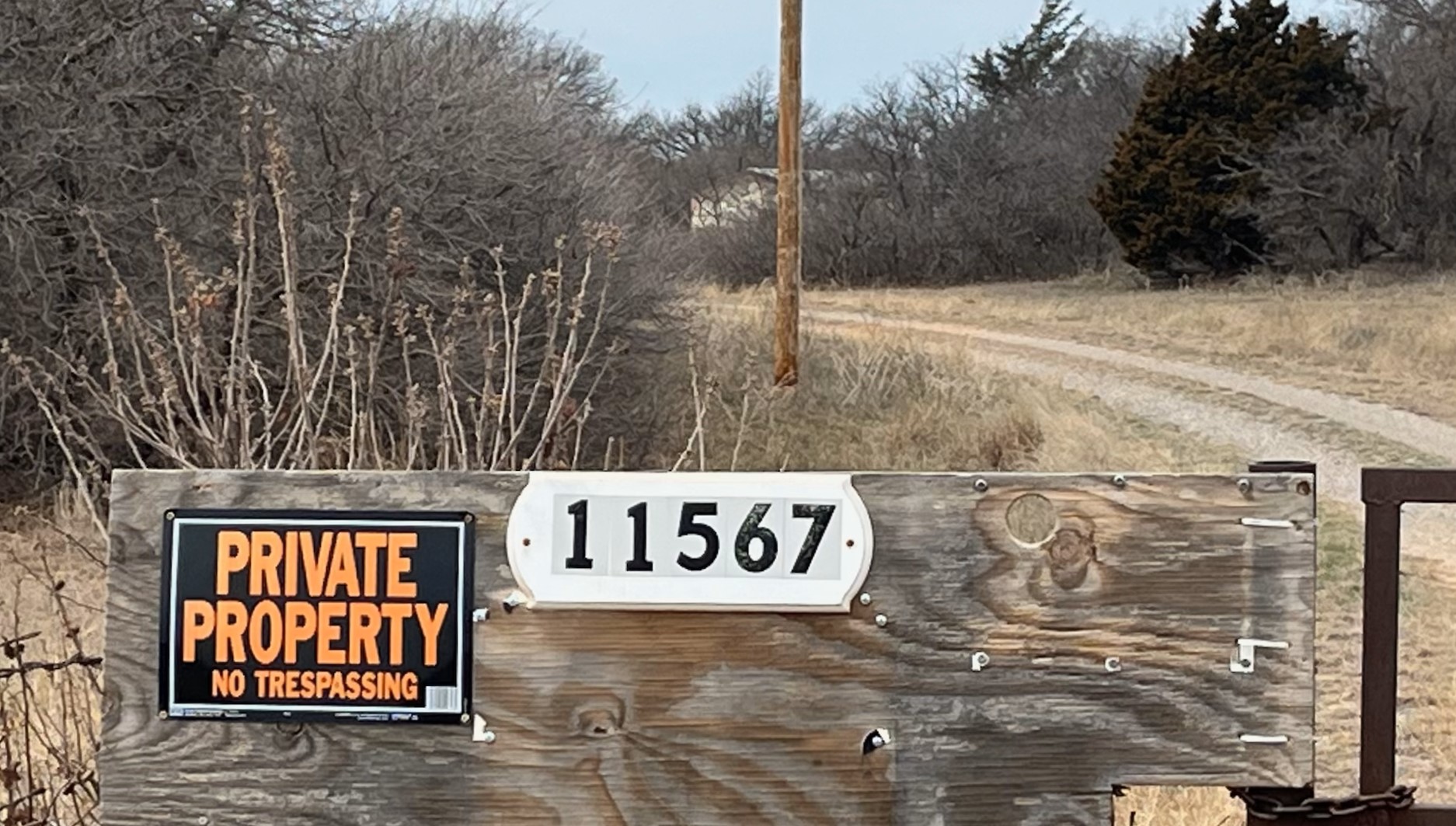
OKLAHOMA CITY — A judge ruled for the Oklahoma Medical Marijuana Authority against a grow operation in Beckham County that submitted fraudulent information on its license renewal application.
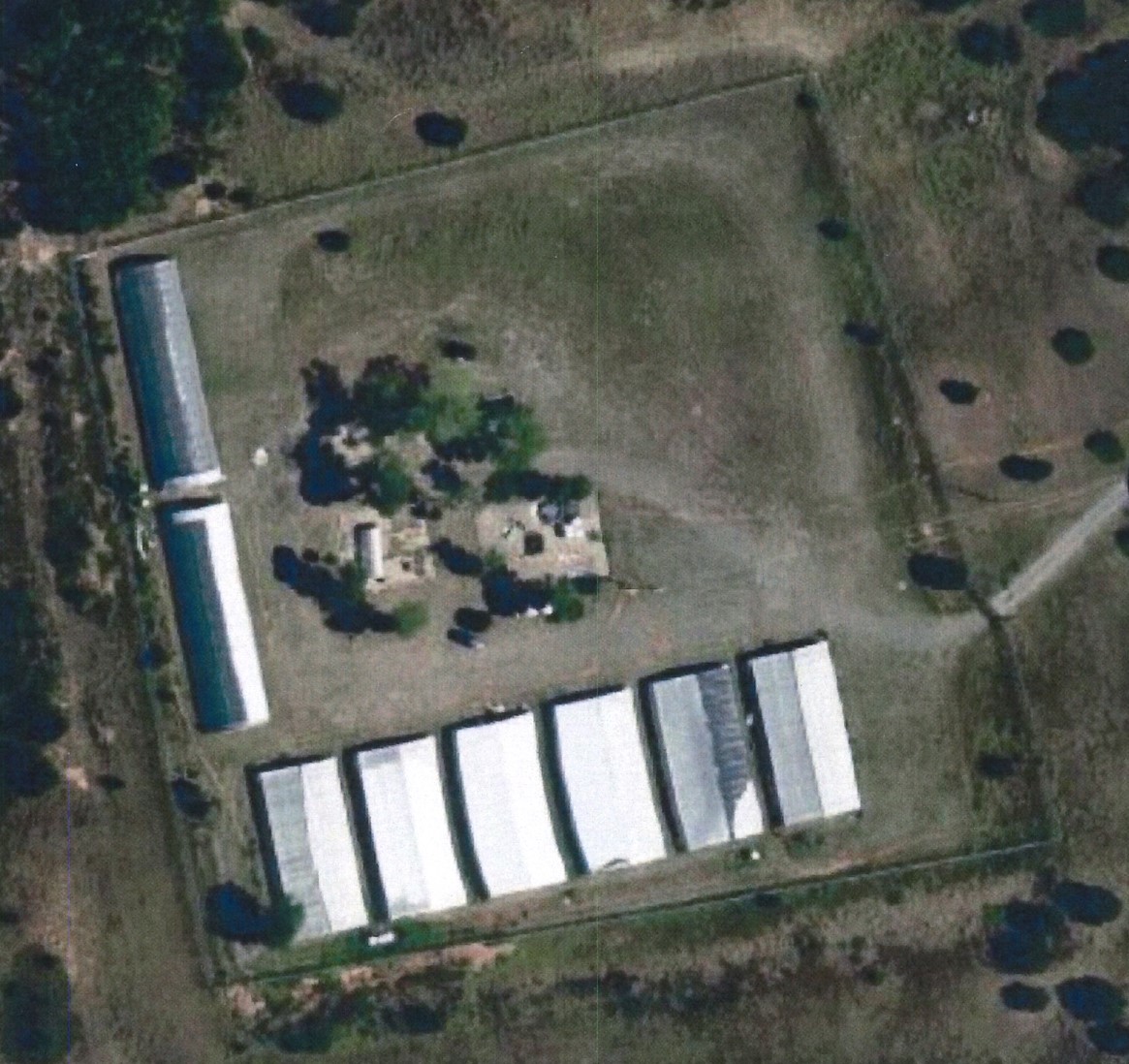
An administrative law judge ruled earlier this month that Sun Light Farm, a marijuana grow operation eight miles outside of Sayre, submitted fraudulent ownership information in its license renewal application. The ruling cleared the way for the OMMA to deny the application and remove the business from Oklahoma’s medical marijuana industry.
Sun Light Farm was not among 33 licensed marijuana farms in/near Sayre that were listed on the OMMA website March 21.
Sun Light Farm was first licensed by the State Health Department on March 26, 2021. After that license expired March 31, 2022, a renewal application for another year was submitted, listing three individuals as owners of the operation: McKenzie Henshaw, Oklahoma resident and 75% owner; Ciaxiang Yang, non-Oklahoma resident, 12.5% owner; and Chong Her, non-resident, 12.5% owner.
OMMA Administrative Law Judge Michael Mitchelson conducted a hearing Feb. 23 on the OMMA’s “Application for Nonrenewal” of Sun Light Farm’s license.
“On the renewal application, Henshaw is the only listed owner” who can “prove Oklahoma residency,” a legal document says. Ciaxiang Yang and Chong Her are listed in the Respondent’s Operating Agreement as the company officers.
Section 7 of the operating agreement “requires Henshaw to ‘give full control of the business’ to Ciaxiang Yang and Chong Her.’”
And Section 10 of the operating agreement provides that “all decisions respecting the management, operation and control of the business and affairs of the Company and all determinations made in accordance with this Agreement shall be made by the company officers.”
Furthermore, Section 6 of the operating agreement provides that, “All profits will be divided equally by Ciaxiang Yang and Chong Her,” and in exchange they will pay McKenzie Henshaw $2,000 per month until either Yang and Her “have established residency in Oklahoma for purposes of OMMA licensing.” At that point, Henshaw would agree to give her shares to “the member who first establishes residency.”
Mitchelson noted that any applicant applying as an entity “shall show that 75% of all members, managers, executive officers, partners, board members or any other form of business ownership” have been Oklahoma residents for at least two years immediately preceding the date of the application, or for five years of continuous Oklahoma residency during the preceding 25 years.
“It is undisputed” that neither Ciaxiang Yang nor Chong Her satisfies the Oklahoma residency requirement, Mitchelson noted.
In order to satisfy the license renewal application and the Oklahoma Medical Marijuana and Protection Act, McKenzie Henshaw “must be a ‘direct beneficial owner’” of Sun Light Farm, Mitchelson wrote.
As set forth in the operating agreement, Henshaw “does not satisfy that requirement,” Mitchelson ruled on March 15.
ALJ’s ruling was ‘significant victory’
The OMMA “earned a significant victory in the ongoing fight to eliminate bad actors in Oklahoma’s cannabis industry, and more wins are likely on the way,” said Adria Berry, executive director of the agency.
“I’m pleased the Medical Marijuana Authority was able to investigate and hold bad actors in our state accountable, quickly bringing this ‘straw ownership’ case to a close,” Gov. Kevin Stitt said. “I look forward to many more wins like this one as we work to crack down hard on illegal operations. Drug cartels, organized crime and foreign nationals working for the Chinese Communist Party have no place in Oklahoma, and we will continue to do everything we can to bring these bad actors to justice.”
State law and OMMA rules require at least 75% of every medical marijuana business to be owned by an Oklahoma resident or residents. The judge agreed with OMMA’s legal team and investigators that the Oklahoma resident included in Sun Light Farm’s ownership documentation is not the real owner – a practice sometimes known as “straw ownership” or “ghost ownership.”
“This is a preview of what’s coming from OMMA as we continue to build our legal and investigative teams and capabilities,” said Berry, an attorney licensed in Oklahoma and Texas who has extensive experience in government affairs and public policy. “This was a clear case of fraudulent ownership where non-Oklahoma residents tried to illegally work their way into our state.”
OMMA became an independent state agency with its own rules Nov. 1, 2022, and this is the first time since then that OMMA tried a case of suspected straw ownership. Berry hailed the development as a sign of things to come.
“We’re just getting started,” she said. “There are dozens of other cases of suspected fraudulent ownership that we’re reviewing. This won’t be the last time we take action on someone trying to harm Oklahomans through illegal business practices.”
OMMA’s legal team and investigators are reviewing suspected cases of fraudulent ownership in more than 70 business license applications, including applications for new businesses filed before a moratorium began last August on new grower, processor and dispensary licenses.
“More potential referrals for investigation are in the pipeline as OMMA scrutinizes every application,” Berry said.
The agency also is focused on activity by licensed businesses to ensure compliance with state law and OMMA rules. Active investigations are likely to yield other legal actions that help rid Oklahoma’s medical marijuana industry of violators, Berry said.
The statewide seed-to-sale inventory tracking system, along with automated analysis of the system’s data, are significant tools added to OMMA’s toolbox within the last year that help guide those investigations, she said.
Commercial MMJ business licenses are valid for one year from the date issued unless the license is revoked by the OMMA.
“So long as a renewal application is submitted before the license expires, the license will remain active while OMMA reviews the application,” said Porsha Riley, the agency’s public information officer. “If a commercial licensee wishes to renew their business license after the expiration date, they have up to 90 days to do so but will be assessed a $500 fee.”
An initial application for a medical marijuana license can be denied outright, but an existing license for renewal can be denied only after the applicant is afforded due process, Riley said.
As of March 1, the number of marijuana farms shrunk by 1,209, from 8,184 to 6,975, OMMA records show.
“Over the past two years, my agency has shut down over 800 medical marijuana farms tied to organized crime in Oklahoma, seized more than 600,000 pounds of illegal marijuana and made nearly 200 arrests,” Donnie Anderson, director of the Oklahoma Bureau of Narcotics and Dangerous Drugs Control, announced last month. “Many of the farms obtained their license by fraud, grow for the black markets around the United States and launder the illicit proceeds, worldwide. They also have been linked to homicides, labor trafficking, sex trafficking, and other crimes.”