

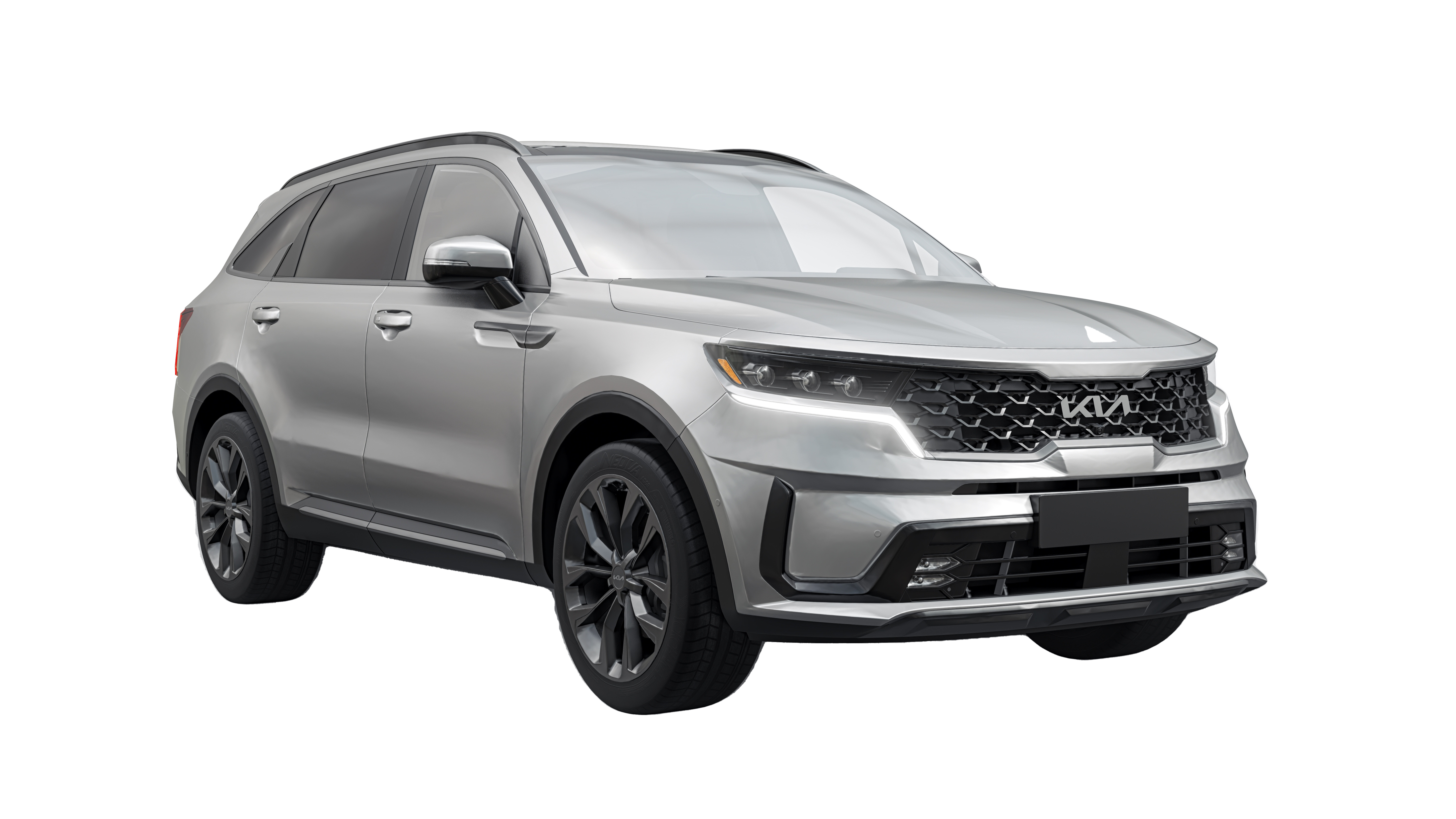
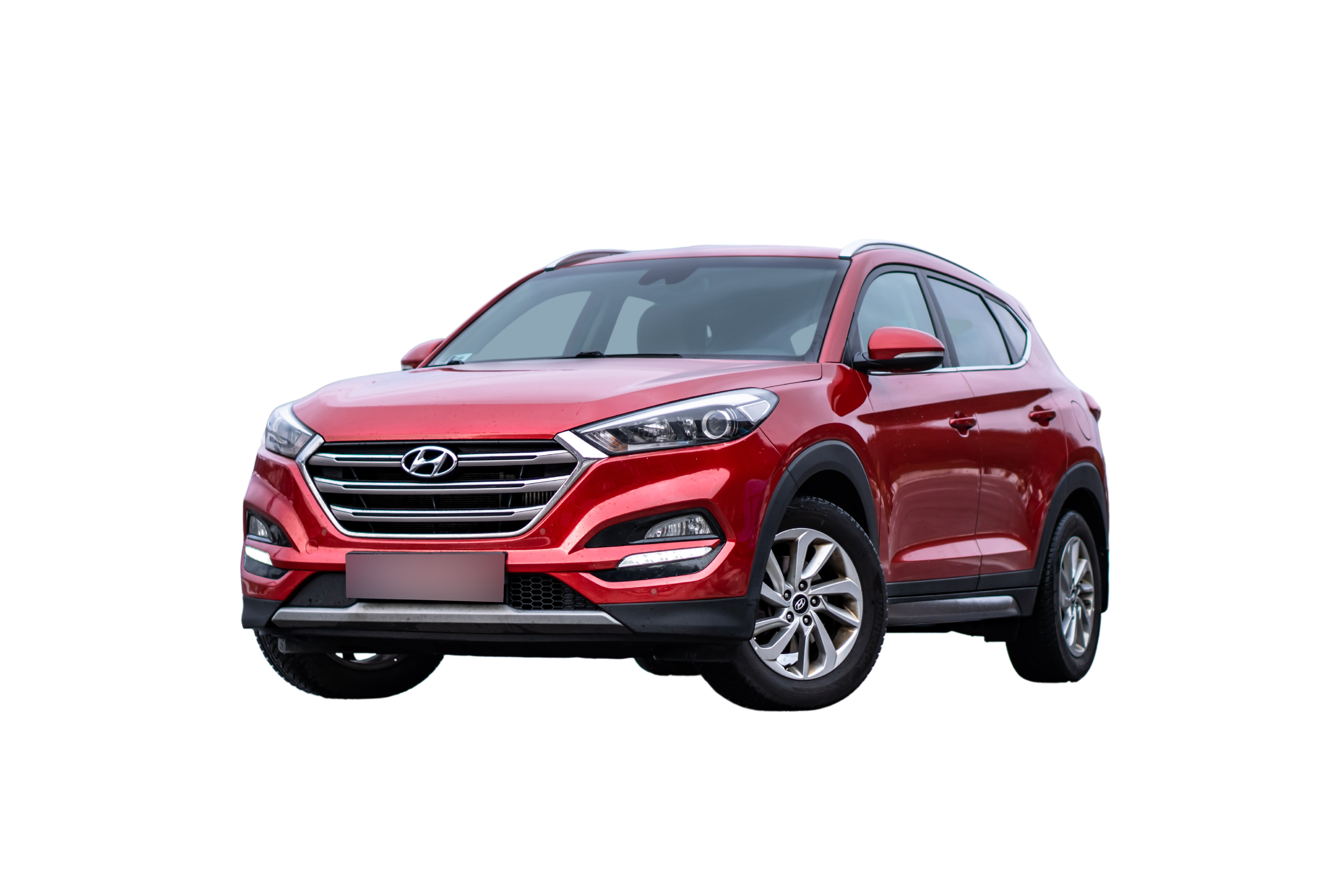
Kia and Hyundai SUV owners are in a bit of a pickle: If their vehicles aren’t catching fire, they’re being stolen.
Hyundai and Kia are telling the owners of more than 571,000 SUVs and minivans in the U.S. to park them outdoors because the tow hitch harnesses can catch fire while they are parked or being driven.
The affiliated Korean automakers are recalling the vehicles and warning people to park them away from structures until repairs are made.
Affected Hyundai models include the 2019-2023 Santa Fe, the 2021-2023 Santa Fe Hybrid, the 2022-2023 Santa Fe Plug-in hybrid and the 2022-2023 Santa Cruz. The affected Kia model is the Carnival minivan from 2022 and 2023.
All have Hyundai or Kia tow hitch harnesses that came as original equipment or were installed by dealers. The automakers explained in documents posted March 23 by U.S. safety regulators that water can get into a circuit board on the hitches and cause a short circuit, even if the ignition is off.
Dealers will at first remove the fuse and tow hitch computer module until a fix is available. Later, they will install a new fuse and wire extension with an improved connector that’s waterproof.
Last year Hyundai, recalled nearly a quarter of a million 2020 through 2022 Palisade SUVs for a similar problem.
Meanwhile, car thefts have been rising in several cities throughout the U.S., and some of them have blamed Kia and Hyundai.
Car thefts started rising last summer in Baltimore and Cleveland. From December 2021 to December 2022, reported thefts rose 50% in Atlanta and El Paso, Texas. They doubled in Chicago and tripled in Dayton, Ohio.
Some cities are blaming the two affiliated auto manufacturers. Hyundai has pointed a finger of blame at a “coordinated effort on social media.”
In June 2022, videos by a group dubbed the “Kia Boys” – demonstrating how to start some Kias and Hyundais using a USB charger – went viral on TikTok.
TikTok – whose CEO was grilled by Congress last week over allegations that the social media platform is a tool of the Chinese government and poses a mental health threat to minors – has since removed such videos from its platform, but they could still be having an impact.
To understand why car thefts rose in 2022 while other types of crime fell, USAFacts compiled data from hundreds of police departments and requested more specific data about Kia and Hyundai thefts from more than 60 departments nationwide.
Where did the rise in car thefts start?
One of the most-cited car theft videos was filmed in Milwaukee. The city is often viewed as the origin for the nationwide rash of thefts, as it was one of the first to experience a wave of stolen Kias and Hyundais. Thefts rose in November 2020 — nearly 18 months before the videos went viral — and increased throughout 2021.
In 2021, police reported one car stolen for every 50 people, the highest rate in the country among big cities that submitted data to the FBI. By April 2021, 71% of the vehicles reported stolen in Milwaukee were Kias or Hyundais, up from 6% in 2019.
Milwaukee’s rise in stolen vehicles has been almost entirely Kias and Hyundais, but Denver has had a different problem.
There, thefts of Kias, Hyundais and other vehicles doubled from spring to fall 2020. Denver reported one stolen vehicle for every 60 residents in 2021, about six times the national average.
As the Kia Boys’ videos gained traction in June and July 2022, thefts rose in cities across the country, especially in the Midwest and northwestern cities, including Portland and Seattle.
Chicago might be the best example of how quickly thefts have grown. In the first half of 2022, the city had 551 Kias or Hyundais reported stolen. In the second, 6,250 were reported stolen, a tenfold increase.
Higher used car prices, more remote schools or reduced law enforcement have all been proposed as sources behind the rising thefts. But in these cities, the sharp increases in theft over summer 2022 — and the types of cars stolen — are more consistent with the spread of the videos.
Kia and Hyundai thefts did not start to rise in Chicago until summer 2022, almost a year after they peaked in Milwaukee, only 90 miles away.
By December 2022, Kias and Hyundais comprised at least 25% of all stolen cars in 12 of the 19 cities that shared model data with USAFacts.
Rising Kia and Hyundai thefts are uneven across the country. Until last summer, Kias and Hyundais were a small percentage of car thefts: less than 10% in most places. By the end of 2022, they accounted for half of the vehicles stolen in several cities, while remaining lower in others.
The Los Angeles Police Department issued a community alert last August, reporting that Kia and Hyundai accounted for 20% of car thefts, up from 13% in 2021.
MV thefts increased in Wichita Falls but fell in OKC
Data on all car thefts is more regularly reported than thefts of specific models. USAFacts gathered car theft data from the websites of the 500 police departments with the most motor vehicle thefts in the last five years.
In Wichita Falls, Texas, motor vehicle thefts shot up 70% in 2021, to 395, but fell to 297 in 2022.
The Oklahoma City Police Department reported a 23% decline in car thefts: from 3,818 in 2019 to 2,955 in 2022. During that same period, motor vehicle thefts in Tulsa increased only slightly: from 3,033 in 2019 to 3,108 in 2022.
If the information in the Kia Boys’ videos is to blame, it did not blanket the country at once. The spread appears to have been driven by local connections or other factors.
For example, car thefts rose in Minneapolis but fell in southeastern parts of Minnesota. They rose in Kansas City but fell in some other parts of Missouri.
Hyundai vehicles built after November 2021 and Kias built in 2022 have engine immobilizers, which typically prevent vehicles from starting without a key. Some police departments have distributed wheellocks. The car companies also have issued software updates to try to make the cars harder to steal.
Nevertheless, some insurance companies have stopped issuing new policies for specific Kia and Hyundai models in some areas. And multiple cities have filed lawsuits against the car manufacturers, claiming they sold vehicles that were easy to steal, threatening public safety and diverting police resources.