

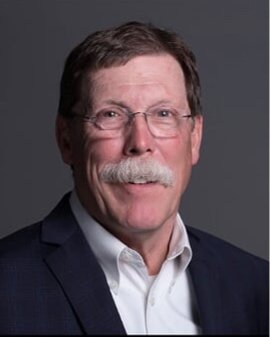
Rick Reimer
By Maci Carter | Radio Okla. Ag Network
The “Soybean Spectacular” program is designed for teachers who have an agricultural curriculum which they can implement in their classrooms.
“We will bring elementary teachers, even middle school and some high school teachers, to Stillwater, put them up for the night, and they will have all day with the curriculum that we teach them how to use. And we’ll give them about $200 worth of supplies to take back to their classroom,” said Rick Reimer, executive director of the Oklahoma Soybean Board.
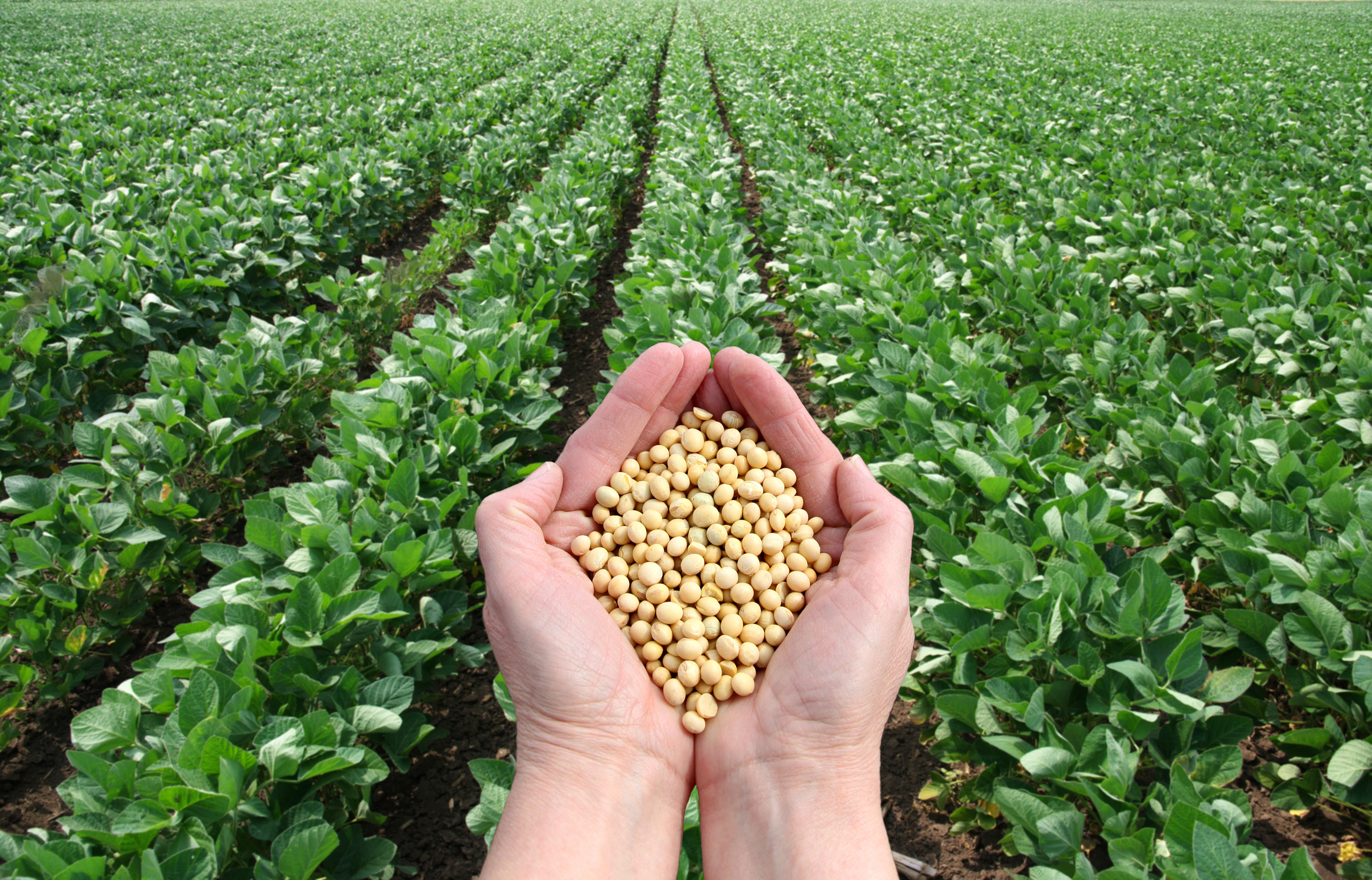
There are many new uses for soybeans, “everything from biodiesel, soy ink, soy paint, soy plastics, and a new use for soybean meal,” Reimer said. “It’s almost endless. We call it the miracle crop of many uses.”
Half of the money collected at the Oklahoma Soybean Board is sent to the national organization, allowing them to participate in and support projects beyond Oklahoma, Reimer said. This allows for new partnerships and uses for soybeans.
“As long as we can get rain sometime in August, when the soybeans bloom, and blooms turn to pods and pods have the seeds, then we’ll have a good crop,” Reimer said. “Farmers are the ultimate optimist.”
Oklahoma soybean production will be between half a million and a million acres this year, Reimer estimated. He said he is optimistic the crop will be good this year, especially compared to last year and its drought.
“We have decided that the best way for us to reach customers and our producers is through digital social media and our website,” he said. “So we have spent additional funding to beef up our website, putting more information on there, and then using Facebook and Instagram to drive traffic to our website. We feel like that’s the way we’re going to reach people in the future.”
Changing times call for a change in tactics, Reimer said. “With old media ways not having the same impact they once did, the Soybean Board is trying to evolve its outreach to keep soybeans in the conversation.”
Growing up in northeastern Oklahoma, Reimer farmed soybeans and wheat with his father. He graduated from Oklahoma State University with a degree in animal science and a minor in agricultural economics. He later earned an MBA from Oklahoma City University.