

By Tim Farley
Southwest Ledger
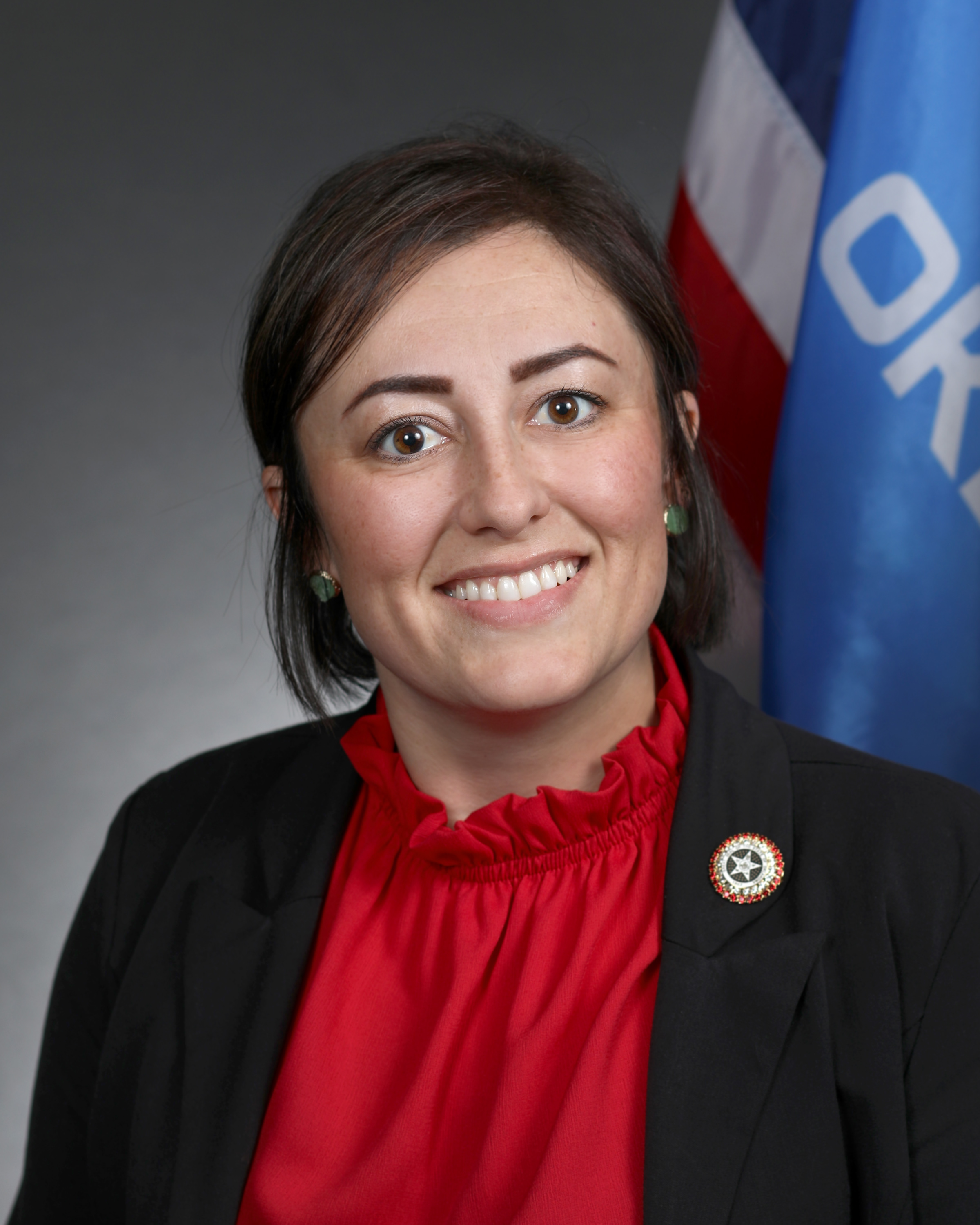
Sen. Jessica Garvin (R-Duncan)
OKLAHOMA CITY – Oklahoma’s gender pay gap continues to be a problem for women and state Sen. Jessica Garvin would like to find a solution.
Garvin (R-Duncan) scheduled an interim study last week, but some of the expert speakers were diagnosed with COVID and could not attend. Still, Garvin held a teleconference with two Massachusetts lawmakers who have worked on the same issue.
On Oct. 19, the Massachusetts Senate passed legislation to tackle pay inequities in their state, which significantly and disproportionately impact women and people of color, according to a statement from Senate President Karen Spilka. The Massachusetts bill targets these inequities by empowering employees with salary information, including when they are seeking jobs and receiving promotions, and providing new data tools to track employment trends.
The bill empowers job applicants by requiring employers with 25 or more employees to include salary range information in job postings. It also requires employers to provide salary ranges to employees offered a promotion or a transfer, as well as to employees currently working in a position, should they ask.
Nationally, women earn 82 cents for each dollar men are paid, according to the Pew Research Center. In 2019, the median annual salary for a woman in Oklahoma was $36,494 compared to $49,721 for a man, which represents a 27% difference, according to a report prepared by Oklahoma State University’s Spears School of Business. The report was commissioned by United WE.org.
“Pay transparency is a national issue and Oklahoma is no exception,” Garvin said. “Although I wasn’t able to hold the study, this is something I’ll continue to investigate. It’s a gender wage gap issue, but it’s also a workforce issue. This isn’t a partisan issue. It’s not just women or Democrats who care. Women need equal value.”
Garvin is addressing the gender pay gap issue to help women, not hurt businesses.
“I want to protect small businesses and large corporations. This isn’t done to hurt them,” she said. “It may be that the majority of businesses in Oklahoma are already paying a fair wage. I don’t have enough information or evidence to say one way or another.”
However, the report prepared for United WE demonstrates Oklahoma women are earning less even though many women hold the same educational level. The report shows 28.5% of women have bachelor’s or advanced degrees compared to only 23.6% of men. However, on average, men are paid $13,000 more a year, according to the report.
Between 2017 and 2019, the gender earnings gap increased in Oklahoma but decreased for women in the U.S. overall, according to United WE report. If current trends in Oklahoma continue, women will not reach earnings equality with men in the state until 2076, experts quoted in the report predict.
In 2022, a Wallethub.com study ranked Oklahoma the worst state for women to live in, ranking low in both women’s economic and social well-being and in women’s health care and safety.
Garvin said she was unsure if legislation addressing the gender wage gap would be introduced during the 2024 session.