

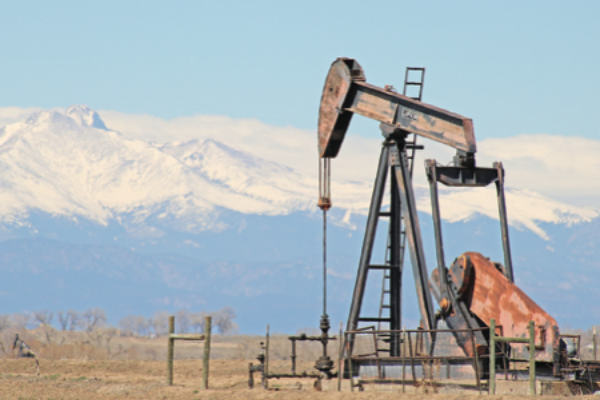
OKLAHOMA CITY – Colorado is poised to impose the longest statewide oil and gas drilling setback in the nation: 2,000 feet from homes and schools.
State regulators unani- mously endorsed the measure in an informal vote last month. The Colorado Sun reported that a final, formal vote will be held Nov. 6.
But while setting the buffer for even a single home, many members of the Colorado Oil and Gas Conservation Commission (COGCC) made clear that there would be “offramps” allowing oil and gas operators to site drill pads as close as 500 feet from a home, in some circumstances.
COGCC Chairman Jeff Robbins said, during a meeting held on Zoom, “2,000 feet is necessary and reasonable” to protect public health and safety, he said.
Environmental and community groups had pushed for the 2,000-foot buffer from drilling, while industry advocates said it would severely hamstring companies and might lead to a lawsuit.
The setback rule is part of a comprehensive revision of regulations to reflect the COGCC’s change in mission from promoting oil and gas development to protecting public health, safety and welfare, and the environment. The change is the result of legislation that was passed in 2019.
Twelve other states have setbacks but the largest is 1,000 feet, according to the National Conference of State Legislatures. California, too, is considering a 2,000-foot setback.
Oklahoma has no setbacks.
Senate Bill 809, which the Legislature passed in 2015 and then-Gov. Mary Fallin signed, allows cities and counties to enact ordinances pertaining to oil and gas operations so long as they are consistent with state law and rules of the state Corporation Commission, which regulates the energy industry.
A city or county may enact reasonable ordinances, rules and regulations concerning road use, traffic, noise and odors incidental to oil and gas operations within its boundaries, SB 809 provides.
A city or county also may establish “reasonable” setbacks and fencing requirements for oil and gas well site locations “as are reasonably necessary to protect the health, safety and welfare of its citizens...”
However, SB 809 decrees that a city or county may not “effectively prohibit or ban any oil and gas operations, including oil and gas exploration, drilling, fracture stimulation, completion, production, maintenance, plugging and abandonment, produced water disposal, secondary recovery operations, f low and gathering lines, or pipeline infrastructure.”
The term “reasonable” is not defined in the legislation.