

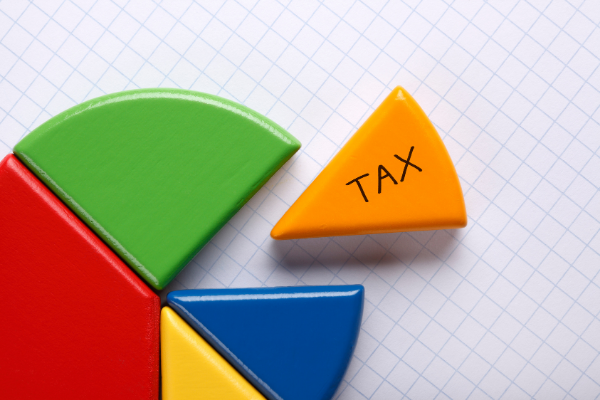
LAWTON – A proposal to increase the municipal hotel/motel tax and lengthen its duration passed Tuesday by an overwhelming margin in an election that attracted less than 4% of the eligible voters.
Approval:
- increases the tax rate from 5.5% to 7%, effective May 1, 2021;
- extends the tax for another 10 years, to April 30, 2031; and
- renames the levy a Hotel/Transient Guest Tax.
The existing five-year hotel/motel tax is slated to expire on April 30, 2021.
Final but unofficial results Tuesday night showed the proposition passing by a vote of 1,240 “yes” to 377 “no” (76.7% to 23.3%). Those 1,617 ballots constituted 3.93% of the 41,121 registered voters who were qualified to vote in the election. Apparently concerns about the weather and the coronavirus played some role in the low turnout.
City Manager Michael Cleghorn said the tax “does not pertain to military personnel who are on official orders,” and Lawtonians with proof of residency are exempt from the levy. Only tourists and visitors to Lawton pay the tax, he said.
Any Lawton resident who spends the night in a local hotel or motel and is charged the tax – such as the longtime Lawtonian who recently engaged in a profanity-laced Facebook rant against a Ledger editor – should simply contact the establishment’s manager about a refund, Mayor Stan Booker said.
The ordinance adds a new category of operator, which would allow the city “to begin collecting taxes on hotel rentals facilitated through companies such as Airbnb and VRBO,” Deputy City Manager Richard Rogalski informed the council.
The hotel/motel tax rate in neighboring Wichita Falls, Texas, is 15%, which includes a 9% city tax coupled with a 6% state tax. The fee is collected from occupants of rented rooms in hotels, motels, and bed-and-breakfast facilities.
The Lawton ordinance defines a room to mean “a room of any kind in any part or portion of a hotel available for or let out for use or possessed, for any purpose other than a place of assembly.” A “place of assembly” means a room or space that is capable of being occupied by 75 or more persons and that is used for educational, recreational or amusement purposes.
It includes dance halls, night clubs, restaurants, lodge and meeting halls or rooms, skating rinks, gymnasiums, swimming pools, billiard, bowling and table tennis rooms, halls or rooms used for public or private catering purposes, funeral parlors, markets, concert halls, broadcasting studios, and any room or space for public/private banquets, feasts, socials, card parties or weddings.
Lawton’s 5.5% occupancy tax produced $1.2 million in 2019 and $687,980 during the first nine months of 2020, city Finance Director Kara Haynes said last October. In a healthy economy, then, the higher levy should produce about $300K+ more each year, city official estimate.
Revenue from the tax supports the annual Lawton-Fort Sill Freedom Festival, the Holiday in the Park, Lawton Community Theatre, Lawton Philharmonic Orchestra, the Lawton Heritage Association, and Arts for All. The Lawton-Fort Sill Chamber of Commerce, the Lawton Enhancement Trust Authority, and the Lawton Economic Development Corp. also are beneficiaries of the funds.