

“We find one leak, fix it, then find five or six more – under the houses and in the walls. This has been so unusual. We’re not used to that kind of weather.”
Linda Devine Andy’s Plumbing
LAWTON – The sub-freezing temperatures that settled in Oklahoma for five days starting on Valentine’s Day wreaked havoc on Lawton’s water system that are still being addressed a month later.
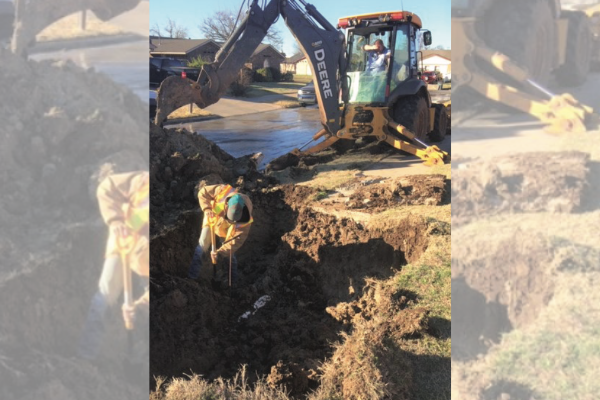
City crews responded to 2,101 reports of water system leaks in 2020 but had answered 593 such calls as of March 10 this year, records reflect. “We’ve had an inordinate amount of water line breaks of late,” City Manager Michael Cleghorn wrote that day. Most, if not all of them, have been attributed to the Arctic blast last month.
More than five dozen water main breaks were reported in mid-February, and as temperatures warmed more breaks occurred. The repair tab for those 61 initial line breaks is estimated at nearly $180,000.
During the City Council meeting March 9, Ward 5 Councilman Sean Fortenbaugh expressed concern about “water breaks in town; there are a lot of them.”
One line break in the 7200 block of Kingsbury Ave. flowed steadily for several days and was not expected to be repaired until March 15.
The city’s Water Distribution Division is responsible for repairing waterline leaks. The division is comprised of 11 crew members, one full-time leak checker and two field supervisors. However, the division had five vacancies on March 12, said Tiffany Vrska, the city’s community relations director.
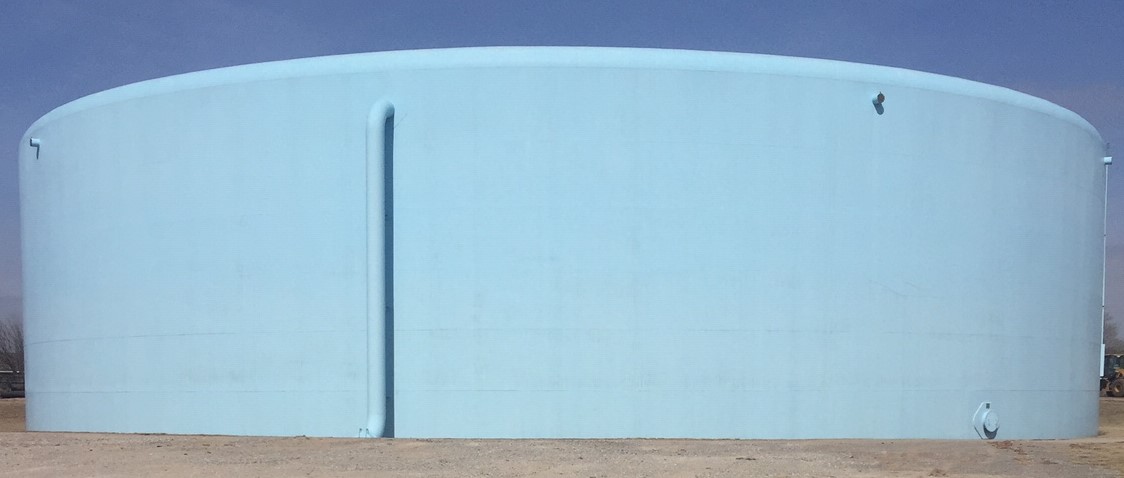
The water level in the seven-million-gallon ground storage tank at 67th and Cache Road fell to 4 feet on Feb. 14 when the cold front settled in. The water transmission main has eight 4-inch air relief valves that froze and broke, resulting in a loss of millions of gallons of water, Mayor Stan Booker said.
Water consumption, typically about 14 million gallons per day during the winter, more than doubled to 31 million gallons a day, Booker said. A combination of 61 water main breaks coupled with breaks in private service lines were to blame, he said.
The leaks from the air relief valves were finally plugged on Feb. 15 and 16. The storage tank had recovered to half-full by the end of the day Feb. 21 and was back at full capacity by the end of the day Feb. 22, city officials said.
Replacement air valves for the water tank have been ordered and the cost to effect repairs is estimated at $88,000, Booker said on March 11. The cost of repairs to water meters “is still being assessed,” he said.
Property owners have borne the brunt of the damage. Repairs on water line breaks in homes, apartments and businesses may exceed a million dollars, city officials estimate.
Andy’s Plumbing was flooded with service calls. “We’re still working on them,” Linda Devine said on March 12. “We find one leak, fix it, then find five or six more – under the houses and in the walls,” she said.
“This has been so unusual,” Mrs. Devine said. “We’re not used to that kind of weather.”
WATER LOSSES CAN BE COSTLY
In 2002 the U.S. Environmental Protection Agency calculated that across the nation, an average of 8.4% of municipal water was unaccounted for.
In comparison, a survey in 2000 administered by the American Water Works Association found “non-revenue water” ranged from 7.5% to 25% across the U.S.
Non-revenue water is water that has been produced but is lost before it reaches the customer. Losses can be blamed on leaks, which are sometimes referred to as “physical” losses, or “apparent” losses from theft or faulty meters.
The state Department of Environmental Quality has performed 213 water “audits,” which found average water losses of 24% – almost one-fourth of production – said Erin Hatfield, communications director for DEQ. The most recent accounting of “real” losses across the state reported to the DEQ totaled 9.2 billion gallons, Hatfield said.
“Real” losses, also referred to as physical losses, are water losses from the system and consist of leakage from transmission and distribution mains, leaks and overflows from a system’s water storage tanks, and leakage from service connections up to and including the customer’s meter.
Leaky pipes, line breaks, inaccurate metering, and data management problems result in the loss of billions of gallons of water and millions of dollars in revenue every year. That’s why the DEQ has partnered with the Oklahoma Rural Water Association to help reduce water losses, thereby “keeping more water in transmission and distribution pipes and more revenue in water systems’ bank accounts,” a DEQ official said in 2019.
The DEQ/ORWA free and voluntary program includes a water loss audit, a copy of the American Water Works Association auditing software, technical assistance in leak detection and meter accuracy analysis, and training for municipal and rural water system operators in all aspects of water loss control.
Tahlequah still holds the record for lowest losses of produced water: less than 1%. The highest water loss from a system was 83%; that system was not identified by the DEQ.
The City of Lawton has not requested an audit, Hatfield said.