

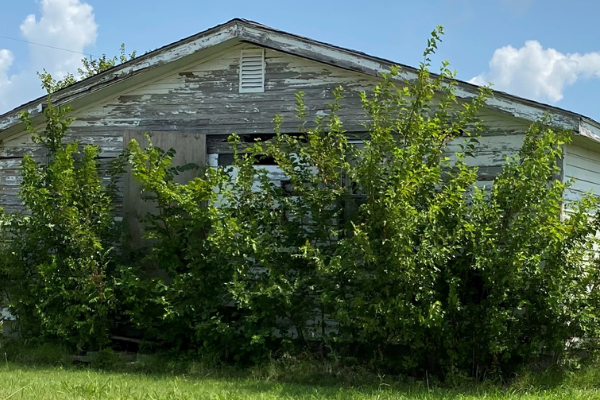
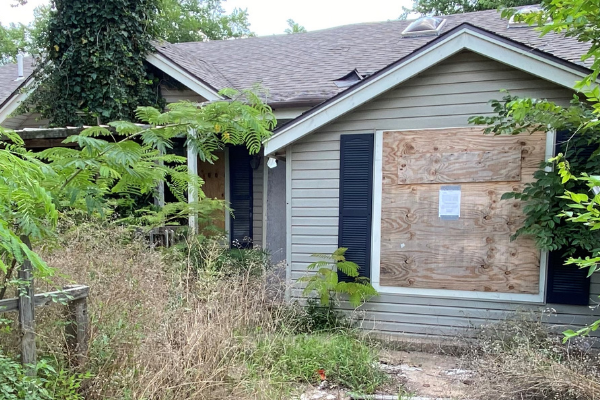
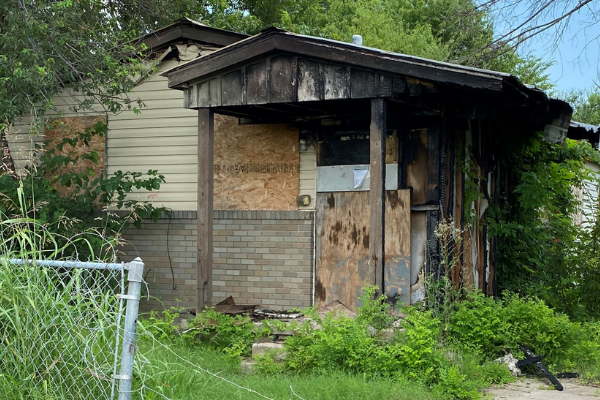
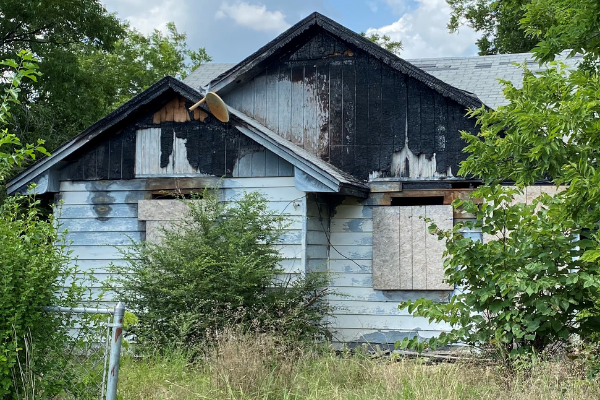
LAWTON – The City of Lawton is well underway in the process of eliminating hundreds of dangerous and dilapidated structures throughout the city.
The City Council and city staff addressed 160 of those in Fiscal Year 2021, which concluded on June 30. Of those:
• 23 structures were demolished
• 36 are the focus of active demolition permits
• 19 are out for bids on demolition
• 3 dwellings have been completely remodeled
• 24 structures are now owned by Comanche County or have new owners under county resale
• 49 are in the state-mandated holding period to give the owners an opportunity to secure permits for remodeling or demolishing the property
• 6 are in other types of litigation
The City Council targeted 31 more “D&D” dwellings during a meeting Tuesday.
On each of the properties the council adopted a resolution declaring the structure to be “dilapidated, detrimental to the health, safety, or welfare of the City of Lawton and its inhabitants, a blighting influence, and a public nuisance.”
According to the city’s Neighborhood Services Division, the goal is to raze 120 structures each year for five years, or 600 severely deteriorated houses. However, the city thinks it can stretch its money over six years and tear down approximately 700 shabby houses.
The city has $3.5 million in Capital Improvement Plan funding earmarked for the program.
Although it is commonly believed that most abandoned dwellings are owned by out-of-state absentee owners, records indicate most of the houses considered Tuesday are owned by Lawtonians.
The council voted to condemn almost every house on the list, but several owners who indicated they genuinely want to rehabilitate their property were advised how to avoid demolition.
Lawton attorney Bob Ross said the owner of the dwelling at 110 NW Morford Drive, for example, lives in Florida but wants to renovate the property, and secured a remodeling permit from City Hall earlier this month.
The vacant structure has attracted “squatters”, has high grass and weeds, and shopping carts from grocery stores are laying in the back yard. The house is a mess and will require extensive work, Ross said, but the owner wants to rehabilitate the property and either rent it or sell it.
Within 30 days of condemnation, the owner must obtain a permit to either rehabilitate the property or tear it down and remove the debris “in compliance with the city’s building code requirements.”
If the property owner fails to do either, the city is authorized” to “abate the nuisance…” The city’s Neighborhood Services Division is empowered to solicit bids from contractors to “raze and remove” the dilapidated structure and clean the site.
Corey Bowen of the Neighborhood Services Division told a couple of homeowners that if they demolish their dwelling themselves, they will get a 30% discount if they discard the debris at the municipal landfill.
All of the costs borne by the city in abating a public nuisance “shall be charged to the owner of the property as a personal obligation and to the real property itself…” If the bill is not paid, a lien is attached to the property.
“We typically do not recover our costs,” Mayor Stan Booker said.
Some residential lots may remain vacant after dilapidated structures are razed because developers might be reluctant to invest in construction of a new single-family house in a declining neighborhood.
However, “Our goal is to promote redevelopment,” Booker said. “Renewal may not have to be a single-family house. There are multiple locations where a nice duplex would fit in.”
The goal of the “D&D” program is “to help with neighborhood renewal,” City Manager Michael Cleghorn told the Ledger last fall. In addition, “We want to get these lots back on the tax rolls.”