

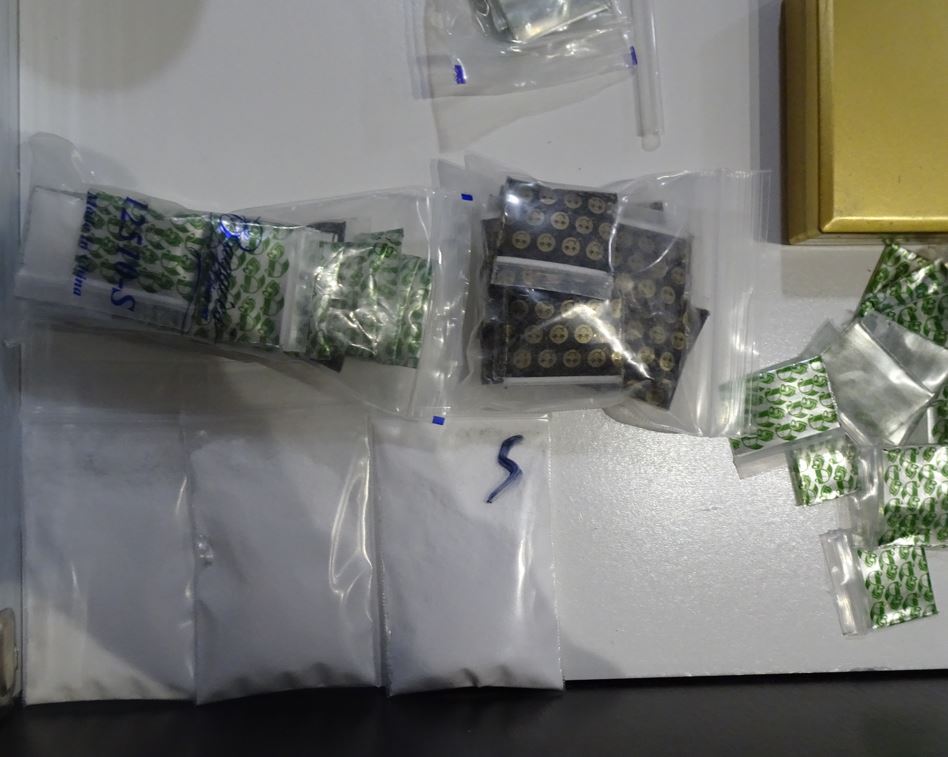
OKLAHOMA CITY — An investigation focused on activities of an Asian organized-crime network has linked sex trafficking, prostitution and drug trafficking to multiple medical marijuana farms in Oklahoma, a spokesman for the Oklahoma Bureau of Narcotics and Dangerous Drugs said.
In a related matter, the agency director said that in the past two years the OBNDD has shut down more than 800 MMJ farms tied to organized crime, seized more than 600,000 pounds of illegal marijuana and made nearly 200 arrests.
“Many of the farms obtained their license by fraud, grow for the black markets around the United States, and launder the illicit proceeds worldwide,” OBNDD Director Donnie Anderson said. “They also have been linked to homicides, labor trafficking, sex trafficking, and other crimes.”
The OBNDD has identified approximately 2,000 medical marijuana licenses as potentially illegal, public information officer Mark Woodward said in January. Those licenses are suspected of having been acquired fraudulently or are being used to conceal illegal operators who sell their cannabis on the black market, he said.
Many law enforcement officials contend that most of the marijuana produced in Oklahoma is sold illegally, even if it is grown by state-licensed operators.
The Asian organization “provides criminal services for several medical marijuana farms in Oklahoma,” Woodward said.
“Our investigation has uncovered evidence of sex trafficking linked to the recruitment of undocumented Asian females for the purpose of engaging in prostitution that caters to managers and administrators of numerous marijuana farms around the state.”
The criminal organization also has been linked to distribution of the drug ketamine, which is used as a recreational street drug, Woodward said.
OBNDD agents, members of the Oklahoma County Sheriff’s Department and officers from the state attorney general’s office served four search warrants Feb. 23 at residential locations in the Oklahoma City area as part of the investigation of the Asian crime network, Woodward said.
Agents seized cash, a firearm, ketamine and several unidentified pills, he said. Two people were arrested on drug charges, and additional arrests are possible as the investigation moves forward, he said.
Two prostituted females were identified and removed from one of the locations that was used as a brothel, Woodward said.
The Oklahoma Medical Marijuana Authority counted 6,993 licensed growers as of Feb. 25, a decline of more than 2,400 from the peak of 9,402 growers on Dec. 3, 2021. A moratorium on new licenses remains in effect.
The OMMA stopped processing applications for new grower, dispensary and processor licenses for up to two years, starting last August, because of House Bill 3208. The bill was enacted last year due to explosive growth in the industry.
However, the executive director of the OMMA is authorized to terminate the moratorium at any time prior to Aug. 1, 2024, if all pending licensing reviews, inspections or investigations have been completed.
In another related matter, Oklahomans will vote March 7 on State Question 820, a measure that would legalize recreational marijuana. Currently, only medical marijuana is legal in this state.
If SQ 820 is approved, persons 21 and older could buy marijuana products from a dispensary without a medical marijuana card. However, the excise tax would be 15%, more than double the 7% excise tax on medical marijuana.
Licensed Medical Marijuana Farms and Dispensaries in Oklahoma
2/25/2023
Growers: 6,993
Dispensaries: 2,877
12/07/2022
Growers: 7,086
Dispensaries: 2,599
2/03/2022
Growers: 8,137
Dispensaries: 2,232
12/03/2021
Growers: 9,402
Dispensaries: 2,519
2/07/2021
Growers: 6,769
Dispensaries: 2,090