

Wage inflation, labor scarcity and Oklahoma’s population growth were among the topics discussed recently by an official with the Kansas City Federal Reserve.
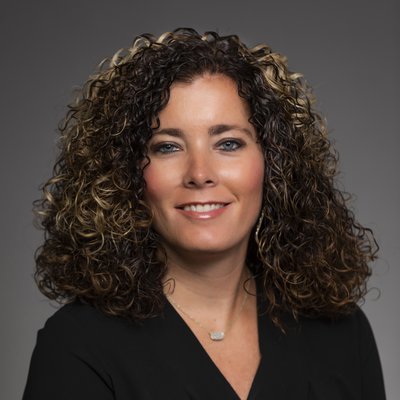
Megan Williams, associate economist and manager in the Regional Affairs Department of the Kansas City Fed’s Oklahoma City branch office, spoke at the 118th American Farmers and Ranchers state convention in Norman.
Oklahoma’s economy “continues to grow quite well, but people are still feeling the impact of inflation,” she said.
Much of that can be attributed to wage inflation, she indicated.
The labor force participation rate now is lower than it was prior to the arrival of COVID-19: 62.4% today versus 63.4% before the pandemic. The share of 25- to 54-year-old men working or seeking a job in January was 88.5%, compared to the pre-pandemic rate of 89.2%.
As of November, the U.S. Bureau of Labor Statistics reported 132,000 job vacancies in Oklahoma – two openings for every person in this state considered to be unemployed. Nationally, employers posted 11 million job openings in December, approximately two job vacancies for every unemployed American.
Many employers are raising wages to attract workers.
“When businesses have trouble attracting workers, they have to increase the wages they pay,” Williams said. “Then they will have to look at their own balance sheets and increase the prices they charge their consumers.”
As an alternative, some companies are turning to automation instead of using employees, Williams said, “which can be good for some things but problematic when people are looking for jobs.”
Prices for goods and services, “just about everything,” have increased, she noted.
Consequently, the Federal Reserve, the nation’s central bank, has raised its benchmark interest rate eight times since last March – most recently by another 0.25% on Feb. 1, to 4.625% – in an attempt to rein in the job market and contain inflation.
“Increasing interest rates will turn people away from some borrowing and spending, and hopefully that will slow down the economy without causing too many detrimental impacts,” Williams said.
The Fed wants a “soft landing” in which the economy cools just enough to lower inflation without triggering a recession.
The pandemic has “changed migration trends,” and Oklahoma has been a beneficiary, Williams said.
“People can live anywhere and work for a company that may not be located in the town where they live, and that has attracted some people to Oklahoma, given our high quality of life and low cost of living,” she said.
Most of those emigrants moved to Oklahoma from Texas and California, she said.
One reason people were attracted to Oklahoma initially, Williams said, was because the state remained open for business while other states were shut down.
Taming inflation will continue to be a Fed priority because “it’s important to protect the value of assets that people have and also protect the pricing power that they have,” Williams said.
Williams earned a bachelor’s degree in finance from Oklahoma State University and an MBA from the University of Oklahoma. She serves on the board of directors of the Oklahoma Council on Economic Education and lives in Choctaw.
KC Sheperd with the Radio Oklahoma Network contributed to this report.