

OKLAHOMA CITY — A couple of measures that could conceivably result in even higher utility bills for Oklahoma residents and businesses are progressing through the Legislature.
One is sponsored by the principal leaders of the Senate and the House of Representatives, and another would allow natural gas producers to charge more in an emergency such as Winter Storm Uri two years ago.
House Bill 2561 would add natural gas to the list of goods and services exempt from the anti-price gouging restriction in the Emergency Price Stabilization Act. In effect, the legislation would allow the price of natural gas to increase during a state of emergency if the increase were attributable to a price increase in commodity markets.
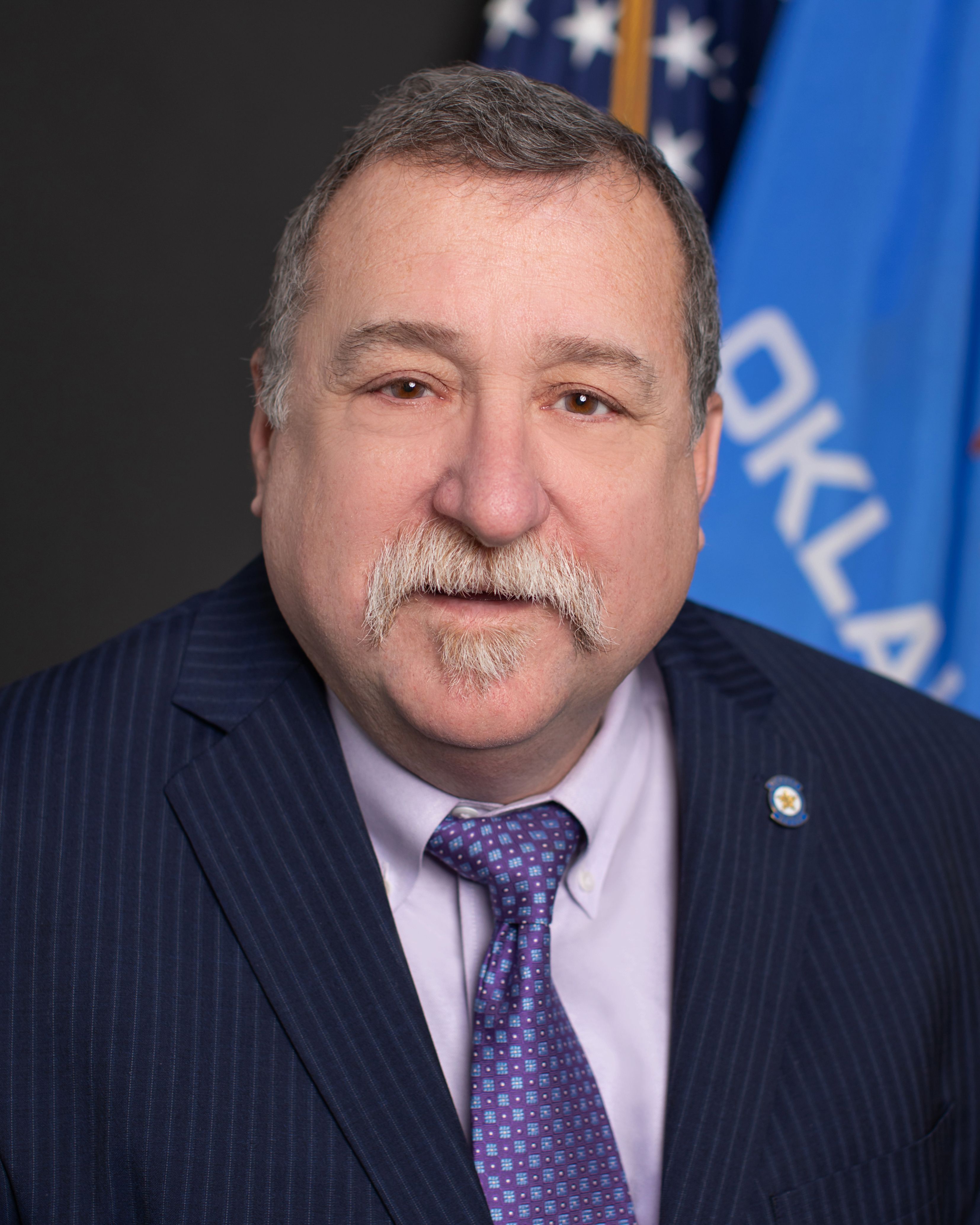
Rep. Mark McBride, R-Moore, author of HB 2561, acknowledged that Oklahomans have been struggling with steadily increasing energy prices, but he attached the blame to public utilities such as Summit, ONG, OG&E and PSO.
“I don’t blame any of this on oil and gas companies that produce natural gas,” McBride said. “I think our utilities were ill-prepared” for winter storms the last two years “and they don’t like me saying that, but that’s just my opinion.”
The Republican-dominated House passed the bill March 6 on an 81-12 party-line vote and referred it to the Senate, where it’s sponsored by Sen. John Michael Montgomery, R-Lawton.
Another “live round” is Senate Bill 1103, authored by Senate President Pro Tempore Greg Treat, R-Oklahoma City, and co-sponsored by House Speaker Charles McCall, R-Atoka.
The 12-section, 17-page bill would create the Ratepayer Protection Act of 2023. It would authorize any electric utility to have its rates and charges regulated by the Oklahoma Corporation Commission via “performance-based ratemaking,” rather than the conventional “rate of return” regulation method.
Such a plan is defined in the bill as a formula by which the jurisdictional non-fuel revenue requirements of a rate-regulated electric utility “shall be calculated and allocated to the utility’s various rate schedules,” a bill summary says.
SB 1103 was endorsed by the Senate’s Energy and Telecommunications Committee and was awaiting a floor vote by the 48-member Senate prior to the March 23 deadline.
The Corporation Commission, which regulates public utilities in Oklahoma, scheduled a public hearing on SB 1103 for March 20.
AARP Oklahoma denounced SB 1103 as deceptive.
“NO ratepayer protections exist” in the Ratepayer Protection Act, which is an “end run” by public utilities “for a wholesale change to how utilities are regulated,” the AARP said.
Current and former Corporation Commission chairs differ on SB 1103
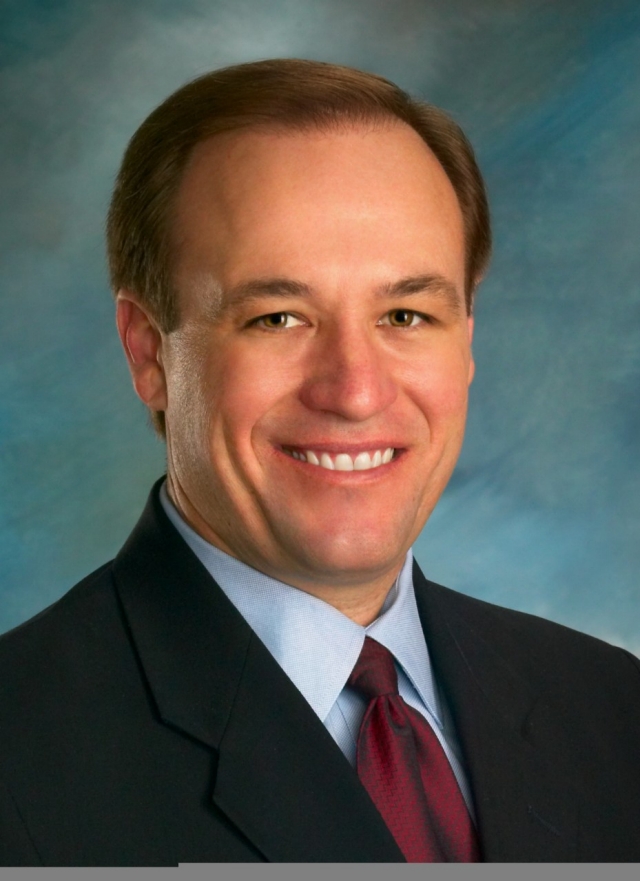
Todd Hiett, chairman of the Corporation Commission and a former House speaker, took the unusual step of publicly criticizing SB 1103 last week.
SB 1103 “is important not only to the ratepayers of Oklahoma, but to the state as a whole,” Hiett, who has served on the commission for eight years, told the Southwest Ledger.
“One of the top three things employers mention” in economic development negotiations is utility bills, he said. Oklahoma’s low utility costs are “one of the biggest selling points in attracting economic opportunities” to this state.
SB 1103 would change that, he cautioned.
Supporters claim SB 1103 “will mean greater efficiency in setting rates,” said Hiett, R-Kellyville. “In reality, it will mean higher costs for customers of regulated electric utilities,” such as Public Service Co. of Oklahoma and Oklahoma Gas & Electric.
SB 1103 “does not mean automatic rate increases,” former Corporation Commission Chairman Jeff Cloud wrote recently. “Under this bill, rates could only change if electric companies perform and when approved by the Oklahoma Corporation Commission.”
That’s not what the Arkansas Public Service Commission said earlier this month.
“[T]he Commission continues to be concerned that the operation of the [rate plan] statute could result in continuing year-to-year rate increases approaching or meeting the 4% cap,” the commission said. “The Commission expects all utilities to control their costs in a prudent and reasonable manner and not utilize the [statutory rate plan] as an automatic yearly 4% rate increase.”
As of November 2022, Cloud wrote, Arkansas has “a lower electricity cost than Oklahoma.”
Hiett said reports filed by OG&E after performance-based ratemaking was adopted in Arkansas in 2018 showed that residential electric rates there in 2019-22 increased 15.81%, compared to 2.38% in Oklahoma during the same four-year period.
“It’s important to understand that rates and fuel costs are separate items on your bill,” Hiett noted. “I get many complaints about ‘rate hikes’ that really are increases in fuel costs, which are largely the result of the unregulated natural gas market.”
SB 1103 would remove “the essential” Corporation Commission “prudence review for most of the electric utilities’ fuel costs,” he pointed out. The only issue a utility would need to do is meet the prescribed fuel and storage requirements in the bill, with absolutely no consideration as to whether those requirements are in the best interest of customers.”
It can be expected that the unregulated natural gas market would “respond with higher prices to take advantage of these mandated purchase and storage methods, meaning higher costs for ratepayers.”
The legislation also would allow electric utilities to make a profit on natural gas and storage. Currently, public utilities are prohibited by law from reaping a profit on fuel expenses; instead, they are a “pass-through” expense to the consumer.
SB 1103 also would allow a utility to keep 25% of excess profits, and the Corporation Commission would have “no ability to determine whether a portion or all should be returned to ratepayers,” Hiett said.
The bill would “eliminate the existing process” at the Corporation Commission “which allows for testimony and evidence from consumer groups, business groups, the utility and any other party with a stake in the outcome,” Hiett said. “That process has resulted in some of the lowest electric rates in the nation.”
SB 1103 contains “no new consumer protections,” he said. What few consumer protections are incorporated into the bill already exist in Corporation Commission rules.
“In fact, many of the ‘consumer benefits’ claimed in the measure are taken word-for-word from the commission’s rules,” he said.
The proverbial bottom line is that SB 1103 would “increase the cost to ratepayers and greatly limit the voice they have and the commission’s role in determining those costs,” Hiett warned. Ratepayers would be forced to “foot the bill for things that would benefit only the electric utility and its shareholders.”