

OKLAHOMA CITY – The $12.6 billion budget for fiscal year 2026 will increase education spending and fund improvements for county roads, bridges and infrastructure in southwestern Oklahoma, the chairman of the House Appropriates and Budget committee said.
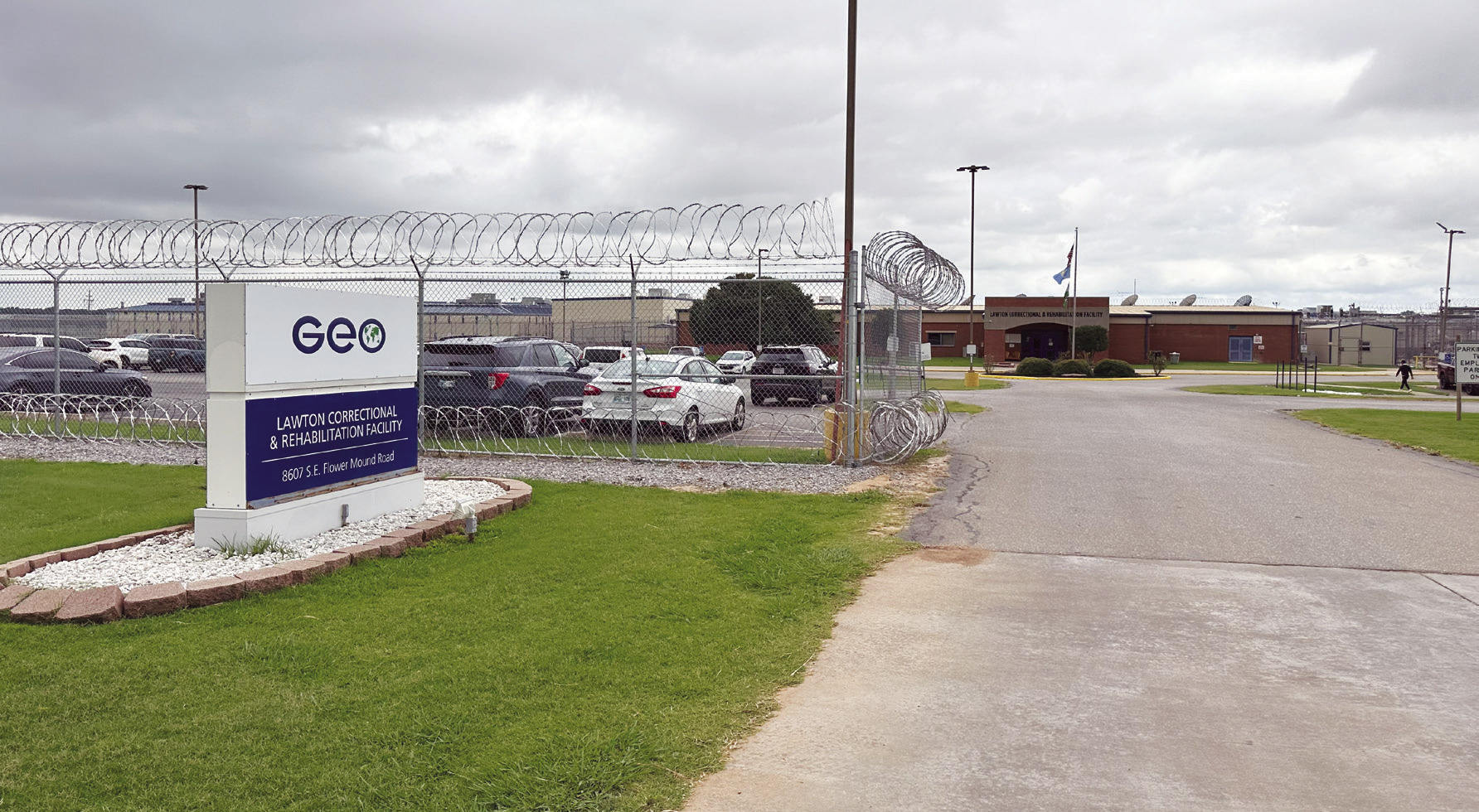
Lawmakers said they will also spend more than $300 million to buy a private prison in Lawton.
The budget – which was passed this spring by the Oklahoma Legislature and signed into law by Gov. Kevin Stitt – represents about a 0.56% increase in spending from FY 2025 and includes a quarter-point cut in the personal income tax rate.
'It's not a Governor's budget. It's not a House budget. It's not a Senate budget. But it is the best budget that we put together to make Oklahoma a top 10 state and the most business-friendly state and take care of some priorities that are really important to Oklahomans,' the governor said in late May when the budget was finalized.
Along with funding state government, the FY 26 budget allocated about $800 million capital projects including:
• $250 million for a new College of Veterinary Medicine complex at Oklahoma State University.
•$312 million to purchase a prison from the GEO Group in Lawton which currently houses about 2,200 prisoners.
•$200 million for a new pediatric heart hospital operated by the University of Oklahoma.
•$41.6 million for modernization and deferred maintenance projects for the Oklahoma National Guard.
•$121.6 million more (a 3.15% increase) for the state Department of Education. That funding, a $5.76 billion for all of Oklahoma’s educational system, makes education the largest share of the budget.
• A $27.4 million in supplemental funds for the Department of Mental Health and Substance Abuse Services.
House Appropriations and Budget Chairman Rep. Trey Caldwell (R-Faxon) said the new FY 26 budget would double the transportation spending in several southwestern Oklahoma counties including Tillman, Kiowa, Cotton, Roger Mills and Harmon counties.
Caldwell said the budget, which earmarks $312 million to purchase the private prison in Lawton, also helps save 500 jobs at the facility.
“It’s not really about keeping the inmates in Oklahoma,” he said. “It’s about keeping those employees, those great employees. Every single one of them is going to be offered a job and become state employees and the same pay or higher. I’m really proud of that.”
Caldwell said the budget increases funding for county roads and bridges. “We’ve almost doubled the road and bridge money for county government,” he said.
Stephens and Comanche counties would see funding for bridge repair and maintenance increase, Caldwell said.
“Comanche County stands to receive $500,000 more for bridges,” he said.
He pointed to the standard set more than a decade ago for state road and bridge funding as a standard for new county road and bridge funding.
“We went from 49th in the county to fifth in the country,” Caldwell said. “But we didn’t address that for county- owned assets. This year we wanted to systemically do that.”
The funds, allocated under House Bill 2758 – known as the PACT Act – earmarks $75 million to repair and upgrade county roads and bridges across the state. Caldwell said the bill brings counties up to the average of $4,000 per mile for road funding and sets aside $25 million for repair, maintenance and upgrades to county bridges.
Caldwell said lawmakers hope to earmark $25 million every year – for the next 15 years – for bridge maintenance and repair.
In addition to infrastructure, he said the budget package also includes resources to provide $1.8 million for the Frederick industrial park and expanding manufacturing in Lawton. Caldwell said the Legislature also passed another tire bond to encourage the expansion of Goodyear’s tire plant in Lawton.
“They (Goodyear) can get some recovery for their investments,” he said.
House Speaker Kyle Hilbert (R-Bristow) said the budget reflected Oklahoma’s values —responsible, conservative and focused on real results.
“This budget is a result of thoughtful collaboration between the House and Senate, and I am proud of the way we came together to put Oklahomans first,” Hilbert said in late May, when the budget was finalized. “We’ve ensured strong investments in our students, state services and economic developments while keeping government spending restrained. This budget serves the needs of today while protecting the interests of future generations.”
Democrats countered that the budget doesn’t do enough for the state’s education system.
“A thriving economy depends on a well-educated workforce, but once again, our public schools have been left behind while unaccountable voucher programs grow unchecked,” Senate Democratic Leader Julia Kirt (D-Oklahoma City) said in a media statement. “When it comes to the budget, public education should be our highest priority. At a time when our schools continue to face a crisis in teacher shortages, we’ve not included so much as a cost-of-living increase while hundreds of millions of taxpayer dollars continue to fund private schools. This budget fails our schools, our students, and our communities.”